



Super Typhoon Ragasa has brought widespread disruption to travel across parts of Asia, impacting popular destinations like Taiwan, Hong Kong, and southern China.
Airports have temporarily shut down, flights have been cancelled, and public transport is facing major delays — leaving many travellers in a difficult situation.
For Muslim travellers, these disruptions come with unique challenges, including the need for halal food options, accessible prayer spaces, and safe, Muslim-friendly alternatives when plans fall through.
This guide is designed to help you stay informed and prepared.
Whether you’re currently on the move or planning a trip in the coming weeks, we’ll walk you through how to manage flight changes, explore halal-friendly destinations not impacted by typhoons, and ensure your safety while keeping faith-based needs in mind.
What’s Happening: Typhoon Season in Asia 2025
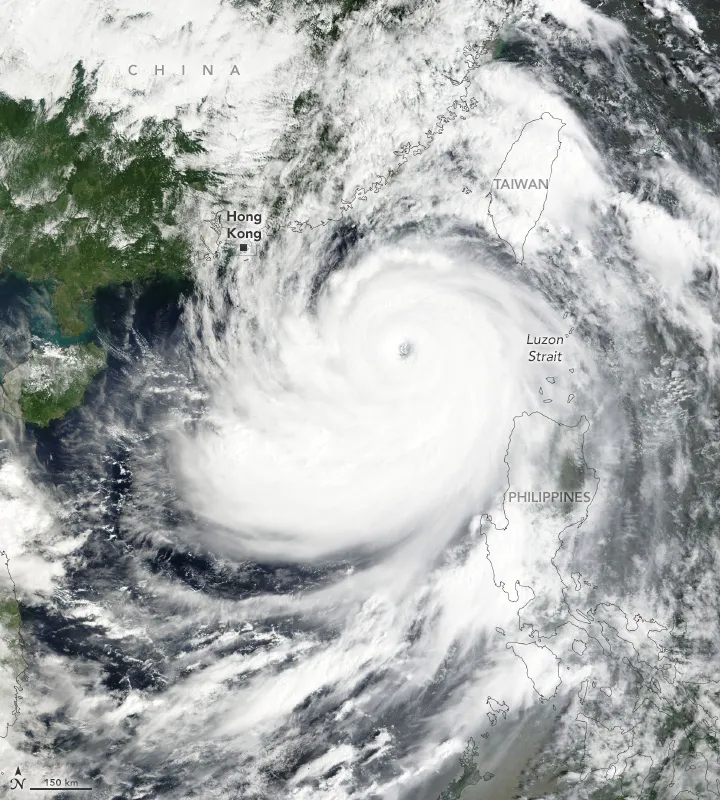
Asia’s typhoon season has been particularly active this year. Typhoon Ragasa, the strongest storm recorded so far in 2025, has caused severe flooding and power outages in Taiwan and parts of southern China. In Hong Kong, the international airport was shut for over 36 hours, forcing airlines like Cathay Pacific and HK Airlines to cancel dozens of flights.
Earlier storms such as Typhoon Kajiki, Tapah, and Danas also impacted areas in Vietnam, Japan, and the Chinese mainland. These weather patterns are making travel planning increasingly uncertain — especially in coastal and low-lying areas.
We recommend checking official meteorological sources like the Hong Kong Observatory or Japan Meteorological Agency for updated alerts.
What to Do If Your Flight Is Affected
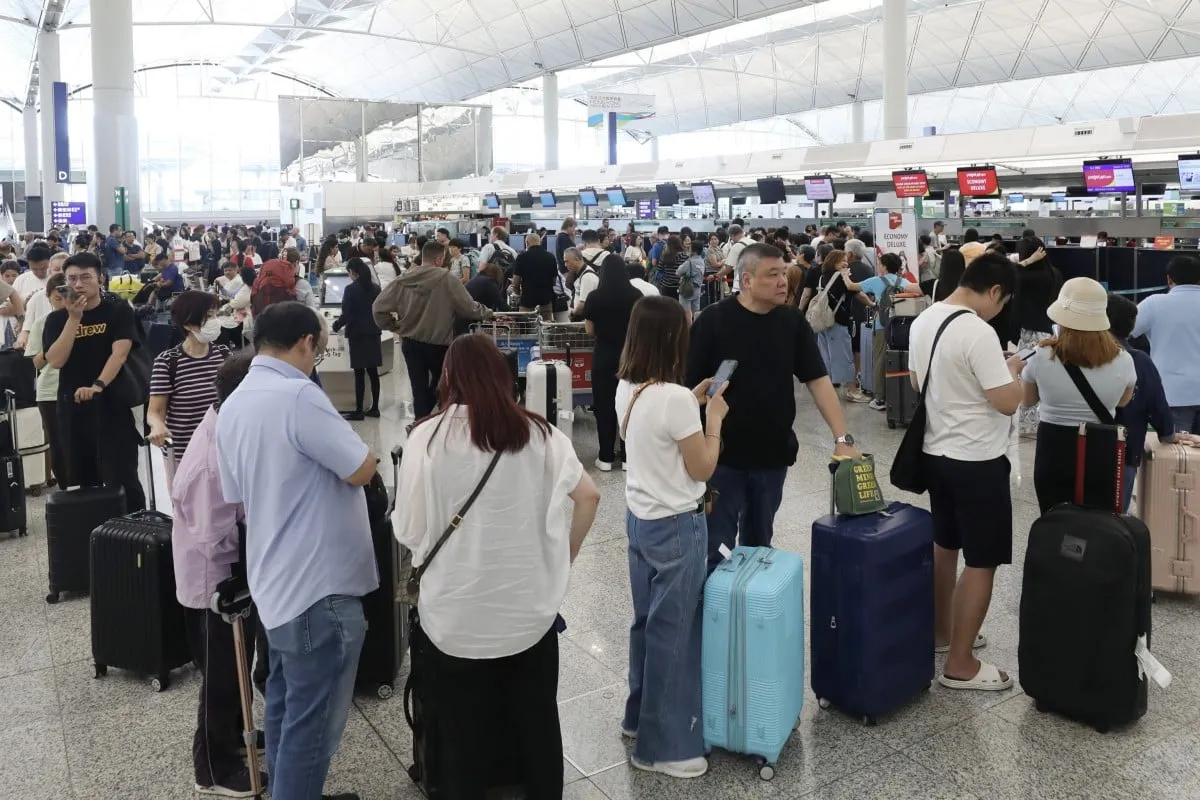
If your flight is delayed or cancelled due to a typhoon, the first step is to check with your airline. Most carriers publish real-time updates on their websites and social media channels.
During severe weather events like Ragasa, many airlines waive fees for rebooking, rerouting, or cancelling flights entirely. Cathay Pacific, for instance, offered flexible options and travel credits for affected passengers.
If you booked through an online travel agent (e.g., Traveloka or Expedia), reach out directly to their support teams. Always keep screenshots of cancellation notices, receipts, and confirmation emails, as these are useful when claiming insurance or refunds.
Traveller rights vary depending on the country of departure.
Passengers flying out of the EU, for example, are protected by EU261 regulations, while Asian countries rely more on individual airline policies.
We recommend reading the fine print of your ticket and reviewing your travel insurance policy to check if weather-related disruptions are covered.
Travel Disruptions and Muslim-Friendly Tips
When your travel plans change suddenly, access to halal food and prayer spaces can become more difficult — especially if you're rerouted to unfamiliar airports or cities.
To stay prepared, pack some essentials in your hand-carry bag:
- Halal-certified snacks or vegetarian emergency meals
- A portable prayer mat and travel-friendly ablution wipes
- Download a Qibla finder app in case prayer rooms are unavailable
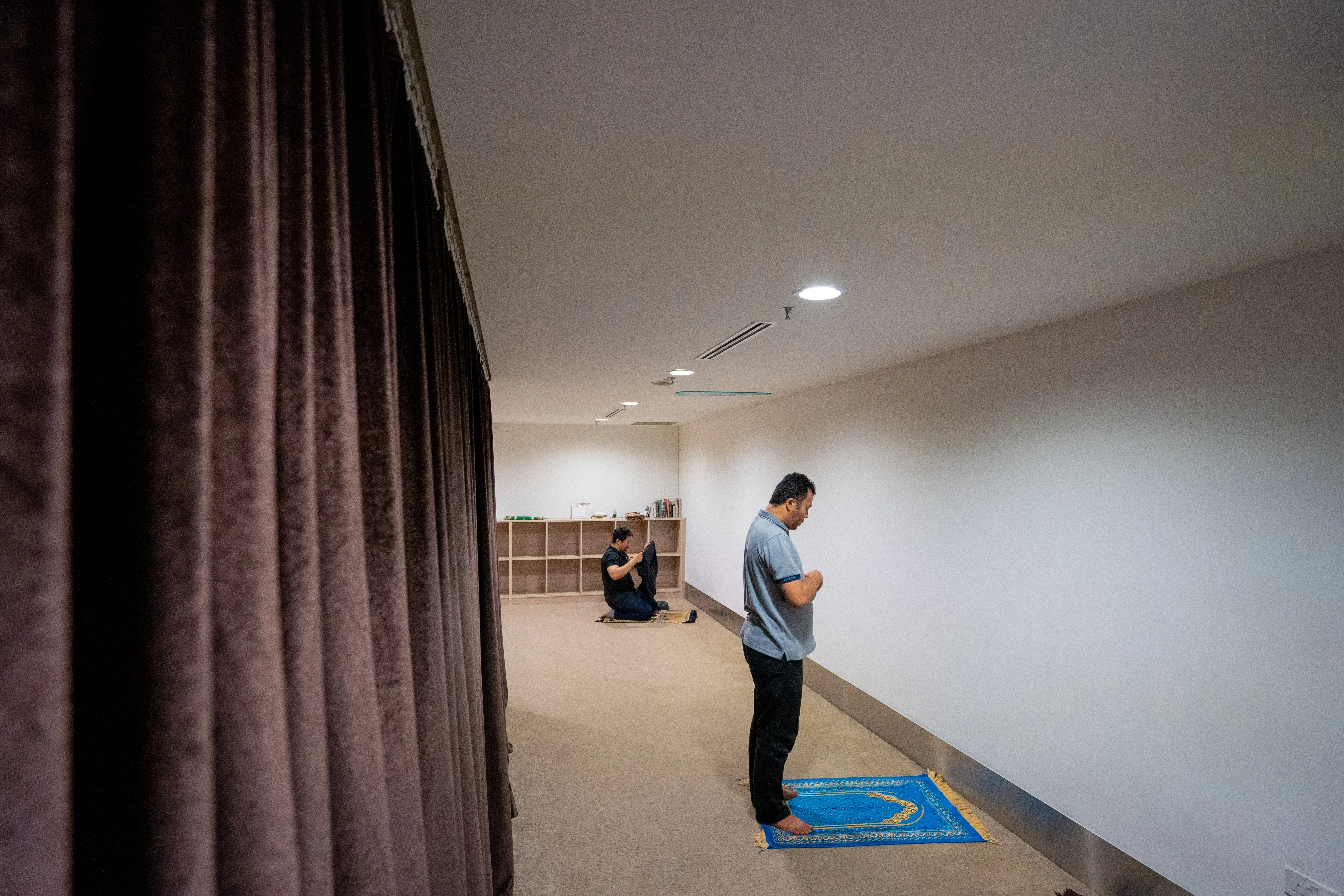
Airports like Singapore Changi Airport, Kuala Lumpur International (KLIA), and Incheon in Seoul are known for their excellent Muslim-friendly facilities, including halal dining and designated prayer spaces. If you’re diverted to these hubs, you can still stay comfortable during long layovers.
Halal-Friendly Alternatives to Consider
If your destination is currently under typhoon watch or experiencing disruptions, consider adjusting your trip to a safer location. Here are several options that are both storm-safe and welcoming for Muslim travellers:
1. Malaysia
Our neighbouring country is one of the top travel options!
Destinations like Kuala Lumpur, Langkawi, and Penang are not only safe from the current typhoon paths but also packed with halal food, Islamic heritage sites, and accessible prayer spaces.
You can find halal-certified street food or dine at popular spots listed in our halal food guides to Kuala Lumpur.
2. Indonesia

From Jakarta to Yogyakarta and Bandung, Indonesia offers a rich cultural experience, natural beauty, and a plethora of mosques and halal eateries.
It’s a great alternative if you're looking for a more affordable trip with spiritual ease.
3. Thailand (inland)

Although coastal areas may be risky, cities like Chiang Mai offer a calm escape, rich with heritage and increasingly halal-conscious travel services.
4. Sri Lanka
The central highlands and southern regions of Sri Lanka are typically less impacted by typhoons and offer a mix of nature, history, and halal food options — an underrated gem to visit!
Other Halal-Friendly Alternatives Beyond the Typhoon Belt
If you’re looking for destinations further away from Asia’s typhoon paths, these locations make excellent choices:
5. Japan (Kyoto, Osaka, Tokyo inland areas)
Japan has been steadily expanding its halal tourism offerings, with prayer rooms in airports, halal ramen shops, and Muslim-friendly cafés.
For ideas, explore our Tokyo halal food guide and Kyoto itineraries.
6. South Korea (Seoul, Busan)

While coastal regions can face storms, Seoul is usually less affected. With Itaewon Mosque, halal-certified restaurants, and growing Muslim-friendly services, Korea is increasingly welcoming.
Check out our Muslim-friendly Southeastern Korea guide!
7. The Maldives
The Maldives is definitely the dream destination for couples and families, with most resorts offering halal food upon request.
Avoid the turbulent weather and head to this resort island for a relaxing time.
8. Vietnam (Hanoi, Da Nang)

Northern and central regions often escape the worst of the storms. Hanoi’s Old Quarter has growing halal food options.
Or head over to Hoi An for a culturally rich experience!
If you're rebooking flights or changing hotels, always check halal accessibility and prayer facility availability before confirming.
Lessons from Typhoon Ragasa
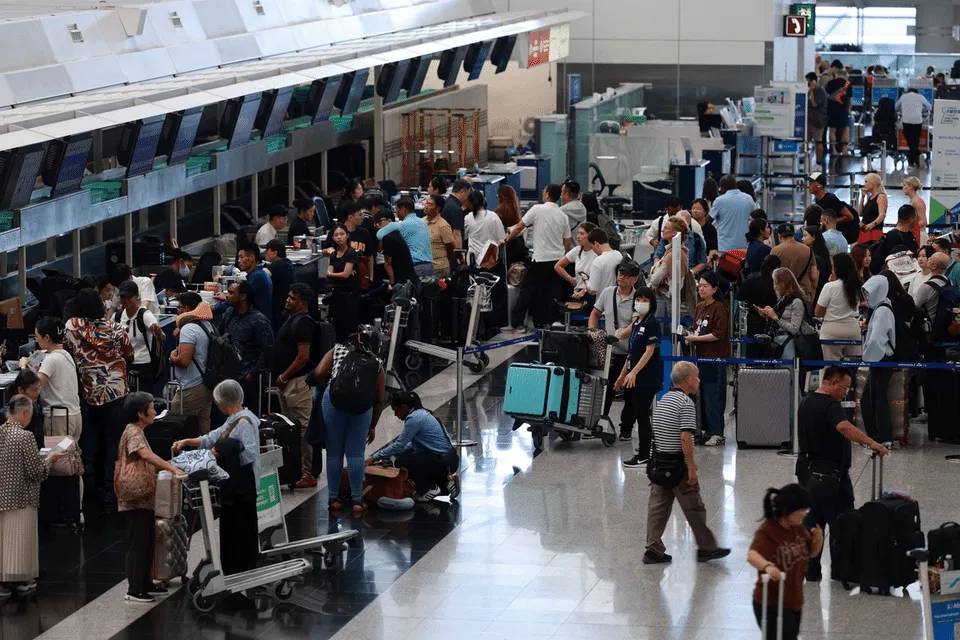
During Typhoon Ragasa, several travellers reported being stuck at Hong Kong International Airport without proper updates or support. However, those who had booked with full-service airlines like Cathay Pacific found it easier to reroute through Singapore or Bangkok — cities with strong Muslim travel infrastructure.
The key lesson? Choose airlines and hubs that support flexibility and cater to Muslim needs.
Essential Tips: What to Pack & Prepare
Here’s a quick checklist for Muslim travellers navigating Asia’s typhoon disruptions:
Before Your Trip:
- Monitor the weather forecast for your destination 3–5 days before departure
- Confirm if your travel insurance covers extreme weather events
- Pack extra clothing, portable chargers, and all essential medication
For Your Faith Needs:
- Include a small prayer mat, a compass app for Qibla, and travel-size wudhu wipes
- Pack light halal snacks in case of food delays
- Save local masjid locations and halal eateries on Google Maps
While in Transit:
- Arrive early at the airport to check rebooking options
- Stay informed via airline SMS/email alerts
- Reach out to fellow Muslim traveller groups or community WhatsApp chats for advice

Weather disruptions like Typhoon Ragasa can quickly turn a dream trip into a logistical challenge. But with the right mindset, reliable information, and faith-based preparation, Muslim travellers can stay safe and even discover unexpected blessings in detours.
Stay informed. Stay calm. And know that there's always a way forward — even in a storm.
