


It's finally time to start planning for that end-of-year trip you've been saving up your leave days for! And where else to go than Tokyo, Japan - one of our all-time favourite destinations? ? Whether it's your first or fifth time visiting the city, Tokyo will always find new ways to surprise you and make you fall a little bit more in love with its eclectic mix of old and new.
Credit: Giphy
But with less than 6 months left till the end of the year, is it still possible to plan a whole week's vacation on an RM3000 budget? ? We say yes! With some careful planning, it won't be too difficult to stretch your budget and still enjoy the best that Tokyo has to offer without feeling the burn on your bank account.
Note: We're excluding flight prices from the RM3000 budget as airlines will begin to roll out their end-of-year ticket deals soon. Keep reading to find out what full-price tickets for the end of the year look like right now so you can plan ahead and grab the best deal possible. ?
 A quick search on Skyscanner for a direct return flight between Kuala Lumpur International Airport (KLIA) and Tokyo (either Narita or Haneda airport) in the months of November, December, or January all started at around RM1,100. With airline offers you might be able to cut this down to RM800 or less, so keep an eye out for those huge discounts! ?
#HHWT Tip: Try to fly to/from Haneda Airport as it's much closer to central Tokyo than Narita. This will save you both money and time on airport transfers! Two airlines that offer direct flights between KLIA and Haneda are AirAsia X (AAX) and All Nippon Airways (ANA). Do note that AAX's direct flight to Haneda lands late at night, so you will have to pay for an extra night at your accommodation before starting your adventure around Tokyo the next day.
A quick search on Skyscanner for a direct return flight between Kuala Lumpur International Airport (KLIA) and Tokyo (either Narita or Haneda airport) in the months of November, December, or January all started at around RM1,100. With airline offers you might be able to cut this down to RM800 or less, so keep an eye out for those huge discounts! ?
#HHWT Tip: Try to fly to/from Haneda Airport as it's much closer to central Tokyo than Narita. This will save you both money and time on airport transfers! Two airlines that offer direct flights between KLIA and Haneda are AirAsia X (AAX) and All Nippon Airways (ANA). Do note that AAX's direct flight to Haneda lands late at night, so you will have to pay for an extra night at your accommodation before starting your adventure around Tokyo the next day.
 Credit: Agoda
Tokyo has its fair share of affordable accommodations to balance out those ticket costs. The cheapest type of accommodations in the city is definitely a capsule hotel, which can start from as low as RM111/night! However as these capsules are very small or do not have separate prayer room facilities, you may not be able to perform your prayers comfortably in them. Some mid-range hotels cost as low as 270 MYR/night for a 2-person room and are a more practical option for a week-long stay. The Asakusa Central Hotel (pictured) is one hotel you can consider as it's not only in one of the most popular neighbourhoods (Asakusa) but is nearby some amazing halal restaurants too!
Credit: Agoda
Tokyo has its fair share of affordable accommodations to balance out those ticket costs. The cheapest type of accommodations in the city is definitely a capsule hotel, which can start from as low as RM111/night! However as these capsules are very small or do not have separate prayer room facilities, you may not be able to perform your prayers comfortably in them. Some mid-range hotels cost as low as 270 MYR/night for a 2-person room and are a more practical option for a week-long stay. The Asakusa Central Hotel (pictured) is one hotel you can consider as it's not only in one of the most popular neighbourhoods (Asakusa) but is nearby some amazing halal restaurants too!
 Credit: @laswinia_harti on Instagram
 Credit: @naritayahalalramen on Instagram
 Credit: @christine.tl_yang on Instagram
 Credit: @yurie__a on Instagram
 Credit: @_hollydaviss on Instagram
 Credit: @lorna_mac19 on Instagram

 Credit: @docblesslovesyou on Instagram
 Credit: @jajarkaa on Instagram

 Credit: @joe_de_vivre on Instagram
 Credit: @bronxbougie on Instagram
 Credit: @sho_peso on Instagram
 Credit: @itahalele on Instagram

 Credit: @ultraxq on Instagram
It's finally time to visit one of Tokyo's most beloved and well-known attractions: Tokyo Disney Resort which consists of twin parks Tokyo Disneyland and Tokyo DisneySea! If you have to spend your budget on 1 big-ticket item during this trip, we recommend going to either Tokyo Disneyland or DisneySea as the unforgettable experience will be worth it!
Tickets
Credit: @ultraxq on Instagram
It's finally time to visit one of Tokyo's most beloved and well-known attractions: Tokyo Disney Resort which consists of twin parks Tokyo Disneyland and Tokyo DisneySea! If you have to spend your budget on 1 big-ticket item during this trip, we recommend going to either Tokyo Disneyland or DisneySea as the unforgettable experience will be worth it!
Tickets


 Credit: @mattcrayne on Instagram


 Credit: @myg_ram on Instagram
 Credit: @vicktravelfun on Instagram
 Credit: @anzai_tv on Instagram
 Credit: @roberta_lomuscio on Instagram
 Credit: @kei.ziro on Instagram
 Credit: @michellemayfield on Instagram
 Credit: @intermediatheque on Instagram
 Credit: @icazahra on Instagram
 Credit: Umi Chan on Facebook
Flights
Spring and autumn are 2 of the more popular seasons to visit Japan, but the months of November and December are a major peak period as families will be travelling during the school holidays. With the Tokyo Summer Olympics coming up in 2020, you might also have to deal with crowds who will be squeezing in a visit to the land of the rising sun before it gets too crowded!
A quick search on Skyscanner for a direct return flight between Kuala Lumpur International Airport (KLIA) and Tokyo (either Narita or Haneda airport) in the months of November, December, or January all started at around RM1,100. With airline offers you might be able to cut this down to RM800 or less, so keep an eye out for those huge discounts! ?
#HHWT Tip: Try to fly to/from Haneda Airport as it's much closer to central Tokyo than Narita. This will save you both money and time on airport transfers! Two airlines that offer direct flights between KLIA and Haneda are AirAsia X (AAX) and All Nippon Airways (ANA). Do note that AAX's direct flight to Haneda lands late at night, so you will have to pay for an extra night at your accommodation before starting your adventure around Tokyo the next day.
Accommodations
Credit: Agoda
Tokyo has its fair share of affordable accommodations to balance out those ticket costs. The cheapest type of accommodations in the city is definitely a capsule hotel, which can start from as low as RM111/night! However as these capsules are very small or do not have separate prayer room facilities, you may not be able to perform your prayers comfortably in them. Some mid-range hotels cost as low as 270 MYR/night for a 2-person room and are a more practical option for a week-long stay. The Asakusa Central Hotel (pictured) is one hotel you can consider as it's not only in one of the most popular neighbourhoods (Asakusa) but is nearby some amazing halal restaurants too!
Transport
One of the most popular questions travellers to Tokyo have is whether it's worth it to get a JR pass, Suica card, or Tokyo Subway Pass while they're in the city. While getting a JR pass is a popular choice for visitors to Japan, it may not necessarily be the best option if you're only going to be in one city (Tokyo) for the duration of your trip. Here are the pros and cons of each transport option: JR Pass (JR Tokyo Wide Pass/any regional JR East Pass)- ✅ Pros: Depending on their coverage, JR Passes will include shinkansen or regional transport prices to/from nearby attractions and cities (including Mount Fuji, Aomori, Karuizawa, and Sendai) outside Tokyo. This makes it a perfect choice for day trips!
- ❌ Cons: However within Tokyo itself, the JR Pass is only valid on the JR Yamanote, JR Keihin-Tohoku, JR Saikyo, JR Rapid Chuo, JR Shonan-Shinjuku, and JR Chuo-Sobu lines. While the Yamanote line is a circular loop line that does cover major stops including Tokyo central, Ueno, Ikebukuro, Shinjuku, and Shibuya, if your hotel is not located near any of the stations on the line you will have to pay additional costs to transfer. Popular stations also tend to be quite busy and packed throughout the day - especially during the morning and evening rush hours! - so you might feel uncomfortable fighting through the crowds at the end of the day.
- ✅ Pros: ICs are reloadable cards, meaning that you can top it up as you go along without having to pay any more than you absolutely need to. The card can also be used to pay for purchases at convenience stores or even restaurants, making it one of the most convenient all-inclusive options available. You can also return the cards for a refundable deposit at the end of your trip.
- ❌ Cons: If you're planning a day trip out of Tokyo, your IC card may not be valid and you will have to pay additional booking fees for transport.
- ✅ Pros: The cost of a subway pass is usually 'made up for' after 3-4 regular subway trips, so it's recommended to get the pass if you're going to be taking the subway all over the city. The subway pass will also cover costs for both subway operators within Tokyo which makes it more worth it compared to single-use tickets.
- ❌ Cons: Subway passes are only valid for 24/48/72-hour periods, making them less appealing if you're spending over 72 hours in Tokyo.
Day 0 (Getting to Tokyo)
Fly from KLIA to Haneda Airport- If you're taking the AAX flight, you'll arrive at Haneda late at night.
- Using the Pasmo card (rechargeable, starting from 1,000 yen up to 20,000 yen), take the Keikyu Line from Haneda International Terminal directly to Asakusa (32 minutes, 614 yen per ticket). If your flight arrives late at night, do note that the last train from Haneda will depart at 12.01am.
- If your flight arrives after midnight, taxis or other private-hire cars will be your only option for getting into central Tokyo as the subway services will be closed until early morning (after 5am). As taxis can be quite costly, we recommend timing your flight so that you have ample time to travel using the train systems!
- Check into the Asakusa Central Hotel and get a good night's rest before you start exploring the city the next day!
- P.S. If you're checking in after 10pm, you'll have to inform the hotel beforehand to ensure that there will be a staff member available for check-in.
Day 1 (Asakusa)
Stop by a convenience store for breakfast (30 - 45mins)- You can't get more authentic than having a bento set for breakfast - head to the 7-11 Asakusa Kaminarimon-mae store to pick up some halal bento! The bento comes in 2 flavours (beef gyudon, and butter chicken curry, 689 yen per bento) and will keep you full until lunch time.
- Meals in Japan get increasingly expensive throughout the day, so if you have a refrigerator in your accommodations you could even buy several bento sets for an affordable meal option for the rest of the trip, or opt for a late brunch that will keep you satisfied for both breakfast and dinner. ? Check out what other Muslim-friendly snacks you can find in convenience stores here!
Credit: @laswinia_harti on Instagram
- No trip to Asakusa is complete without a visit to Senso-ji temple. Founded in 628, Senso-ji is the oldest temple in Tokyo. Known as the temple of the Asakusa Kannon to the people all over Japan, it attracts approximately 30 million visitors every year.
- Snapping a pic in front of its bright red gates and the huge Kaminarimon ('Thunder Gate') lantern is practically a tradition for visitors to Tokyo. ? Get creative with your poses so you'll stand out from the other visitors there!
- Right next to Senso-ji is the famous Nakamise shopping street. A walk down the crowded boulevards lined with shops selling traditional crafts and local treats will send you back to a Japan from centuries ago!
- The best part is that many traditional crafts and gifts are sold here as souvenirs at a pretty affordable price. Keychains can start at around 750 yen, and you can find everything from glassware to hanging scrolls on display too.
Credit: @naritayahalalramen on Instagram
- At Naritaya, you’ll be able to choose from three types of ramen: maze-soba (noodles separate from soup), zaru ramen (cold noodles) or the signature Asakusa Ramen. Instead of chashu (thinly sliced pork) which is usually found in ramen, Naritaya uses grilled chicken from a halal-certified supplier!
- Prayer facilities are included in the shop so you can do your prayers after lunch - but do remember to bring your own prayer garments!
Credit: @christine.tl_yang on Instagram
- Enjoy a leisurely stroll from Naritaya down to Kappabashi Pottery Street. Located between Asakusa and Ueno, Kappabashi is the dream destination for anyone looking to add some traditional Japanese pieces to their kitchen back at home. ?
- Whether you're looking for porcelain bowls or handcrafted metal utensils, you'll be able to find them here. Even if you don't plan to buy anything, Kappabashi is an awesome reminder of centuries of Japanese tradition even within a city as ultra-modern as Tokyo. You can easily spend the afternoon admiring the displays and enjoying the laidback tranquillity of the neighbourhood.
Credit: @yurie__a on Instagram
- Another short walk away from Kappabashi Street is the National Museum of Western Art!
- Established in 1959, the NMWA houses pieces from Western artists dating all the way back to the 14th century. More modern artists included here are Renoir, Van Gogh, Picasso, and even Jackson Pollock! Entrance fees here are quite low for the chance to see such masterpieces up close in person, making this a worthwhile visit for just about anybody. ?
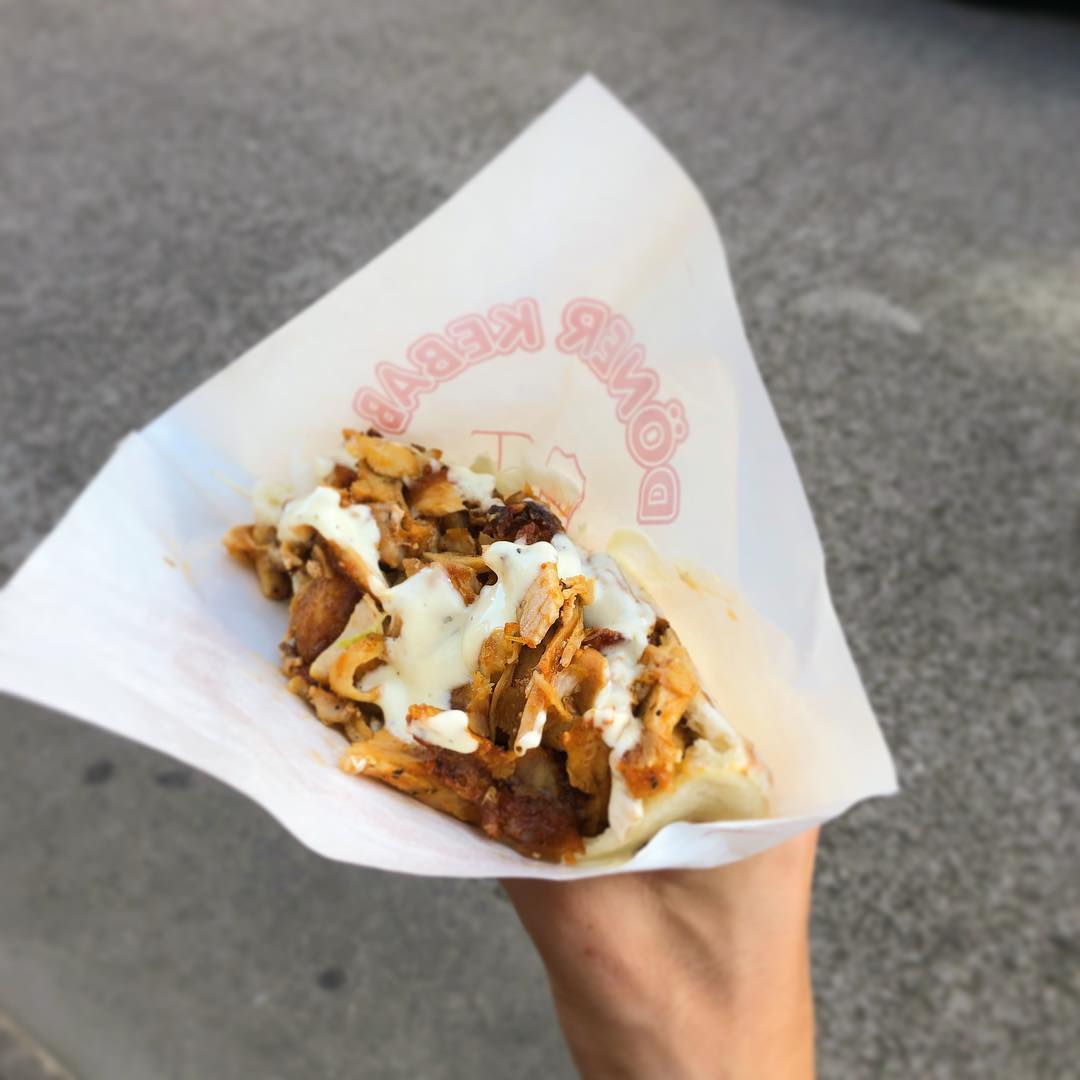
- After you've finished the collections, take a leisurely walk through Ueno Park next door if you're still feeling restless - and then head back to Naritaya to try something new for dinner! Or if you want to eat at Ueno before heading back to the hotel, try out Jumbo Doner Kebab nearby where you can get a filling kebab from just 500 yen!
Day 2 (Shinjuku)
See above the skyscrapers at the Tokyo Metropolitan Government Building (30mins - 1hr)
Credit: @_hollydaviss on Instagram
- Start your morning with one of the best bird-eye views of Tokyo - at the top of the Tokyo Metropolitan Government Building's observatory! Shinjuku is known for its towering Skyscraper District, and there’s no better vantage point to see all of it for free. ? Forget spending money at the Tokyo Skytree!
- The observatory consists of 2 towers (the North tower is undergoing renovations from May 2019-Jan 2020, but the South tower remains open to visitors) and was the tallest building in Tokyo until 2007. Depending on the day’s weather, you might even be able to see famous landmarks such as Mount Fuji, Tokyo Skytree, and even the Meiji Shrine from the deck!
- P.S. This spot has been getting more popular amongst visitors, so try to get there early in the morning to enjoy some time to yourself before the crowds arrive!
Credit: @lorna_mac19 on Instagram
- Hanazono-jinja Shrine is one of the lesser known shrines in Tokyo, but it’s worth a visit to be able to see the simple architecture and bright red shrine gates without having to worry about large crowds. If you're looking for a moment of calm tranquility before continuing with your day (or you just want to check out traditional Japanese shrine culture) this is the stop for you!
- Located in a rare quiet corner of Shinjuku, the shrine was moved to its current location between 1624-44. Non-Shinto visitors are always invited to visit Shinto shrines and are not required to partake in any rituals or ceremonies that are ongoing ☺️
- Located next to the Shinjuku Gyoen National Gardens, here's where you can order one of the most filling meals you might have on this trip. ? This is one of the more unique ramen eateries in Tokyo as their ramen is served with a bowl of rice, which you have to eat with the remaining broth from your bowl of ramen!
- The serving size is pretty large and the set even includes grilled chicken and yakitori! We recommend visiting this place on an empty stomach, or opting for a smaller portion if possible if you're not feeling too hungry. The eatery also opens fairly late depending on the day of the week, so it's a good option if you're starting your day late and want to have a full meal to begin your adventures.
- P.S. Find more authentic halal Japanese eateries in Tokyo here!
Credit: @docblesslovesyou on Instagram
- The sheer size and scale of the gardens are difficult to convey over text. Combining 3 types of gardens to create a beautiful display throughout each season, the National Gardens are a sprawling park where you can find locals and visitors enjoying a leisurely stroll, or simply enjoying the tranquility of the setting throughout the year.
- Children will love the wide open spaces here, and the colourful sights of the blossoms and greenery will definitely leave you speechless in awe. There’s also a greenhouse showcasing more tropical plants, and various rest stops scattered throughout the park for you to take a break.
- Shinjuku is full of amazing activities to keep you busy throughout the day - check out our Muslim-friendly neighbourhood guide to learn more about what you can do here!
Credit: @jajarkaa on Instagram
- A museum about the history of firefighting may not sound so exciting, but the Fire Museum is a popular hidden gem amongst families and other travellers! Located in the towering Yotsuya Fire Station lies several floors showcasing old firefighting vehicles from previous eras, and dioramas of old Edo. Best of all - admission is free! It isn't just kids who'll enjoy these exhibits, but history buffs too.
- Families looking to spend some quality time together can also check out the Tokyo Toy Museum which contains both toy displays as well as interactive exhibits and rooms for kids to explore - perfect for young kids in particular! History buffs may also want to look for the Shinjuku Historical Museumin the area - though not as big or well-known as the Edo-Tokyo Museum, this small museum is an underrated wonder of the neighbourhood displaying artefacts dating from 12,000 B.C. to the early post-World War 2 era!
- It's only day 2, but we're thinking you might already want a change from the typical chicken/miso broth. ? If yes, then you’ll have to visit Menya Kaijin and try their seafood ramen! The fish-and-seafood-based broth is clear & really light but still really yummy. Plus it’s also located in the heart of Tokyo, Shinjuku, which is super convenient to get to!
- The restaurant uses only seafood in its broth, and does not use alcohol. Just remember to request for the chicken meatball not to be added to your soup, as the chicken meat is not halal-certified.
- After dinner, head over the huge Don Quijote just across the road to get some shopping done! ?
Day 3 (Harajuku and Shibuya)
Pay a visit to the iconic Meiji Shrine located near Yoyogi Park (1 - 1.5hrs)
Credit: @joe_de_vivre on Instagram
- Escape to the famous Meiji Shrine for a small spot of tranquility amidst a busy city.The shrine is dedicated to the spirits of the Emperor Meiji and his royal consort Empress Shoken, and has some of the largest torii gates in Japan.
- The shrine is open to visitors from all faiths and its website has a simple guide for some actions that show respect to the shrine independent of religion. Do avoid taking photos of the main part of the shrine, out of respect. However if you're there in autumn, you can take a picture with the beautiful yellow gingko leaves that line the walk to the shrine!
- The shrine is also next to Yoyogi park - one of Tokyo's busiest and most popular green spaces. If the weather is good, enjoy some time on the grass people-watching or bring along some simple meals for a picnic.
Credit: @bronxbougie on Instagram
- After you exit the Meiji Shrine at Harajuku Station, walk through Takeshita-dori which is a shopping haven when it comes to teenage culture and kawaii-type styles. There are also many small eateries selling sweet and savoury crepes (however do note that we are unable to confirm the halal status for these shops, and we advise that you check with the stallowners regarding ingredients and dine at your own discretion).
- Grab a quick photo at the dazzling Tokyo Plaza Omotesando Harajuku, where the mirror-lined escalators create a kaleidoscopic effect.
Credit: @sho_peso on Instagram
- Stop for lunch at Kebab Box J - a kebab store that's been open since 2000! Though the menu itself is pretty standard for a kebab store, it's famous for being one of the rare spots in Harajuku to get a halal meal and you can choose your own sauces for the kebabs too!
- P.S. It's considered rude to eat while walking in Japan, so take this chance to sit and rest up before you continue with your day!
- Take a leisurely walk down Harajuku's alleys and the famous Cat Street until you reach Shibuya. If you're a fan of vintage or secondhand clothing you'll be thrilled to see so many shops selling pre-loved apparel here! ? Some shops can be fairly pricey (especially if it's selling vintage luxury brands such as Prada) but the creative atmosphere and quirky mix of styles and trends across the shops will make it a worthwhile walk.
Credit: @itahalele on Instagram
- Once you reach Shibuya, you'll definitely want to visit the iconic Shibuya Crossing. Though the crossing is busy at all hours of the day, if you time your arrival to coincide with the late-afternoon peak hour that's when you'll really get to see the crossing in action.
- One of the popular spots to watch the crossing from is at the Shibuya Tsutuya Starbucks, however, it’s always busy in the daytime. Alternatively, if you’re willing to pay a small fee of 1,000 yen you can try out the brand-new vantage point at the top of Mag’s Park building. The dedicated viewing spot closes irregularly, but it’s worth it to check if it’s open so you can get a shot of the entire crossing without any fuss.
- End day 3 of your trip with a plate of halal curry rice at CoCo Ichibanya Curry House's halal-certified outlets! There are currently 2 outlets that have been certified, located at Shinjuku (just a short train ride away from Shibuya) and Akihabara (which is on the other side of Tokyo, closer to Asakusa).
- You can select how spicy you want the curry to be, and even add on toppings such as corn, sausages, or cheese to suit your tastes! ?
Day 4 (Tokyo Disneyland/DisneySea)
Credit: @ultraxq on Instagram
It's finally time to visit one of Tokyo's most beloved and well-known attractions: Tokyo Disney Resort which consists of twin parks Tokyo Disneyland and Tokyo DisneySea! If you have to spend your budget on 1 big-ticket item during this trip, we recommend going to either Tokyo Disneyland or DisneySea as the unforgettable experience will be worth it!
Tickets
- 1-day passes range between 4,800 yen (child) to 7,400 (adult) - to pay a little less, you can consider getting a starlight passport (entry after 3pm on weekends/holidays) or an after-6 passport (entry after 6pm on weekdays) depending on the day of your visit. These late-entry tickets are perfect for those who've been to the park before and want to re-experience some of the magic without paying for a full ticket. ?
- If you really want to visit both parks during your trip, make sure to get the 2-day pass which is more worth it than 2 individual 1-day passes. However do note the 2-day pass is only valid for entry on 2 consecutive days.
- P.S. If you're using a late entry pass, use your extra time in the morning to go visit a
- There are some exciting developments planned for the Tokyo Disney parks in 2020 so keep an eye out for more news and updates if that's when you'll be visiting!
- If you’re visiting Tokyo Disneyland make sure to ride the iconic Splash Mountain and Space Mountain rollercoasters to get your adrenaline racing. If DisneySea is where you’re spending the day, make sure to try out Toy Story Mania! where you’ll be ‘shrunken’ down to the size of a toy, and catch a nautical-themed concert at the Mermaid Lagoon Theatre.
Day 5 (Toyosu and Odaiba)
Wake up bright and early for the Toyosu Fish Market tuna auction (2 - 2.5hrs)
Credit: @mattcrayne on Instagram
- Although the action has shifted from the original Tsukiji site to Toyosu, the early-morning tuna auction is still a unique sight you shouldn't miss. (And it's free of charge! ?)
- The shift of the auction and inner wholesale market from Tsukiji to Toyosu was to accommodate growing tourist demand to watch the auction, and the brand-new Toyosu site is equipped with a dedicated observation deck and 70% more space so you can catch the auction without getting lost in the crowd.
- The auction takes place between 5.30am - 6.30am daily however it's recommended to arrive by 5am or earlier to ensure you can get a good spot at the upper-floor observation windows. This is the prime spot for spectators as you can hear the sounds of the fishmongers yelling underfoot, as well as smell and see everything going on in the market.
- While there are several stalls selling cooked seafood near the market, do note that we are unable to confirm the halal status for these stalls and advise that you dine at your own discretion.
- Take a leisurely 30-minute walk (or a short train ride) over to DiverCity Tokyo Plaza located on the manmade island of Odaiba. Odaiba is a district known for shopping and entertainment and is home to many modern and futuristic buildings as well as interesting sights like the Rainbow Bridge and a replica of the Statue of Liberty!
- DiverCity Tokyo Plaza is a 7-story shopping mall that's full of retail, dining, and entertainment options. It's also famous for the 197-metres tall life-sized Gundam right outside the mall!
- Tuck into an authentic bowl of halal Japanese soba at Sojibo, an eatery on the 6th floor that sells everything from cold soba topped with vegetables and grated yam, to hot soba with fried shrimp tempura. ? They even have rice bowls topped with egg and chicken!
Credit: @myg_ram on Instagram
- Trick art museums are not that uncommon these days, but that doesn’t make this one any less amazing. Located in Decks Tokyo Beach shopping mall, Tokyo Trick Art Museum is divided into several segments with different themes, including a haunted mansion theme and the Japanese Edo Era theme, which is the museum’s highlight.
- There are guides and suggestions provided at each illusion on how you can pose for your photos, but you are encouraged to be creative. Tickets can be purchased from a vending machine at the entrance.
Credit: @vicktravelfun on Instagram
- Tokyo has several small niche theme parks, but Daiba Itchome Shotengai may be one of the most unique ones yet. Located in the Odaiba Decks shopping center (on the same floor as the trick art museum!), the theme park is based on pop culture from the Showa era (1920s - 1980s) and includes everything from a display of a 1950s Japanese-style home, and racing arcade games, to pinball machines.
- Do note that there are stalls selling traditional or childhood snacks in the park, however we are unable to confirm the individual halal status of the products there.
Credit: @anzai_tv on Instagram
- Grab a quick look at Odaiba's rainbow bridge as you make your way back to central Tokyo.
- After days of Japanese food, tackle your homesickness head-on with home-cooked Indonesian cuisine at Shinagawa's Cabe Meguro. ? The restaurant serves up your favourite dishes like lontong, nasi goreng, and mie bakso, all below 1,000 yen!
Day 6 (Central Tokyo and Ginza)
Watch sumo wrestlers' morning practice at Arashio-beya (1.5 - 2hrs)
Credit: @roberta_lomuscio on Instagram
- Catch a rare glimpse into the world of Japan's sumo wrestlers by watching their morning practice at the Arashio-beya sumo stable. Entrance into the stable itself is not permitted, but visitors are welcome to watch the wrestlers practice from the street.
- As the area for spectators is quite small, you are advised to come early if possible to get a spot. Practice usually happens every morning but you are advised to call ahead of time the previous day to make sure - a sample script for this is available on their website!
Credit: @kei.ziro on Instagram
- Just because you're on a budget doesn't mean you can't treat yourself to something special now and then. ? Ginza is one of the pricier neighbourhoods in Tokyo, but the tendon bowls at this restaurant are quite affordable for the area!
- Tempura is fried right in front of you (guaranteeing that it'll still be crunchy and sweet when you bite into it) and their Special Tendon (1,500 yen) even includes snow crab tempura!
Credit: @michellemayfield on Instagram
- Tokyo has many green spaces, but the Imperial Palace Gardens are one of the most historic and stunning. Access to the Imperial Palace itself is restricted to special days, but the gardens are free for anyone to visit throughout the year.
- The gardens have flowers that bloom throughout the year - check out their flower calendar for more information on what to expect while you're there!
Credit: @intermediatheque on Instagram
- Intermediatheque has by far one of the oddest museum collections in Tokyo, featuring a blend of natural history, scientific curiosities, and artwork. The displays are a peculiar, slightly morbid mix - all in line with the museum's intention to create a space for interdisciplinary learning.
- If you're a fan of the quirky, you'll definitely enjoy the weird and wonderful items in this small but large and airy two-storey space.
- Entrance is free-of-charge, and do note that you are not allowed to take photographs within the museum.
Credit: @icazahra on Instagram
- This chain is so popular amongst Muslim travellers to Japan it even has outlets in Kyoto and Osaka! Their yummy chicken-based broth is what steals the show here as it’s packed with flavour and even some local Japanese say it tastes just as exceptional as non-halal ramen too.
- Take your pick between thick, thin or spicy thick soup and choose the size you prefer. You have to order through a machine and the staff will deliver your food to you. If you want a stronger kick in your bowl of noodles, we recommend getting the spicy version! It’s definitely comforting to slurp a bowl of Ayam-YA ramen after a whole day of walking and exploring ? Other than ramen, Ayam-YA also serves rice bowls and chicken kaarage too.
Day 7 (Goodbye Tokyo ?)
Credit: Umi Chan on Facebook
- Squeeze in some souvenir shopping on your way to the airport. If you're picking up some popular snacks to bring home before you leave such as Tokyo Banana or Royce' chocolates read our articles first to find out which ones are suitable for Muslim consumption!
- Head to the airport to catch your flight back. If you're flying back from Narita International Airport, make sure to read our guide to find out which restaurants are halal and where the prayer rooms are located!
