



So you’ve booked your flights, sorted your accommodations, organised your itinerary, and bought that ultra-lightweight telekung you’ve been eyeing. Your heart feels full. Your suitcase is (almost) full. And your WhatsApp group is definitely full of excited family messages: “Eh don’t forget zamzam water!”, “Who’s bringing the universal adapter?”, “I want to try ALL the food in Madinah.”
Your next adventure awaits! Subscribe to our weekly newsletter to explore breathtaking destinations, get insightful travel tips and itineraries!
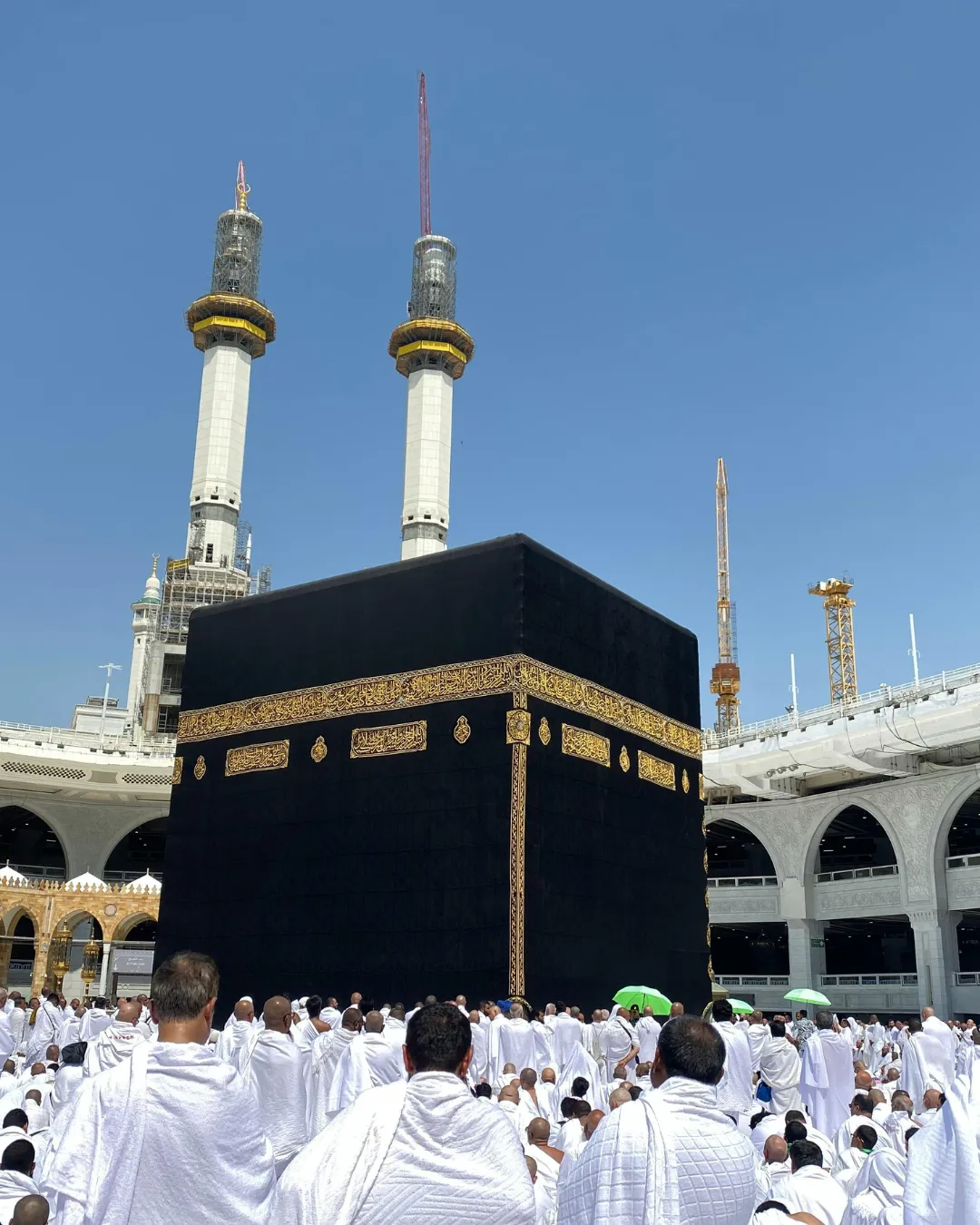
But before you step into this beautiful spiritual journey, there’s one tiny (yet super important!) travel companion you need to talk about: your health More specifically, meningococcal disease—a name that sounds complicated, but trust us, understanding it is easier than choosing which dates to buy at the souq.
To help you get Umrah-ready, we spoke to Dr Shariffa Syahidah Chishty, an accredited Family Physician with the College of Family Physicians, Singapore, who broke down everything travellers need to know in a warm, clear and reassuring way. So grab a cup of tea, get comfy, and let’s dive in
What Exactly *Is* Meningococcal Disease?
Let’s start at the beginning: What is this tongue-twisting disease?
According to Dr Shariffa, meningococcal disease is caused by a bacterium called Neisseria meningitidis—which sounds like a Harry Potter spell but is definitely something you don’t want to mess with. When it becomes serious, it leads to something called Invasive Meningococcal Disease (IMD), which happens when the bacteria enter places like the bloodstream or the lining of the brain and spinal cord.
When it affects those protective layers around your brain, it becomes meningitis, a condition many people have heard of. And if it spreads in the bloodstream, it can cause bleeding in organs—yikes.
In short: It’s serious, fast-acting, and not something you want to bring home as a souvenir.
How Does It Spread?
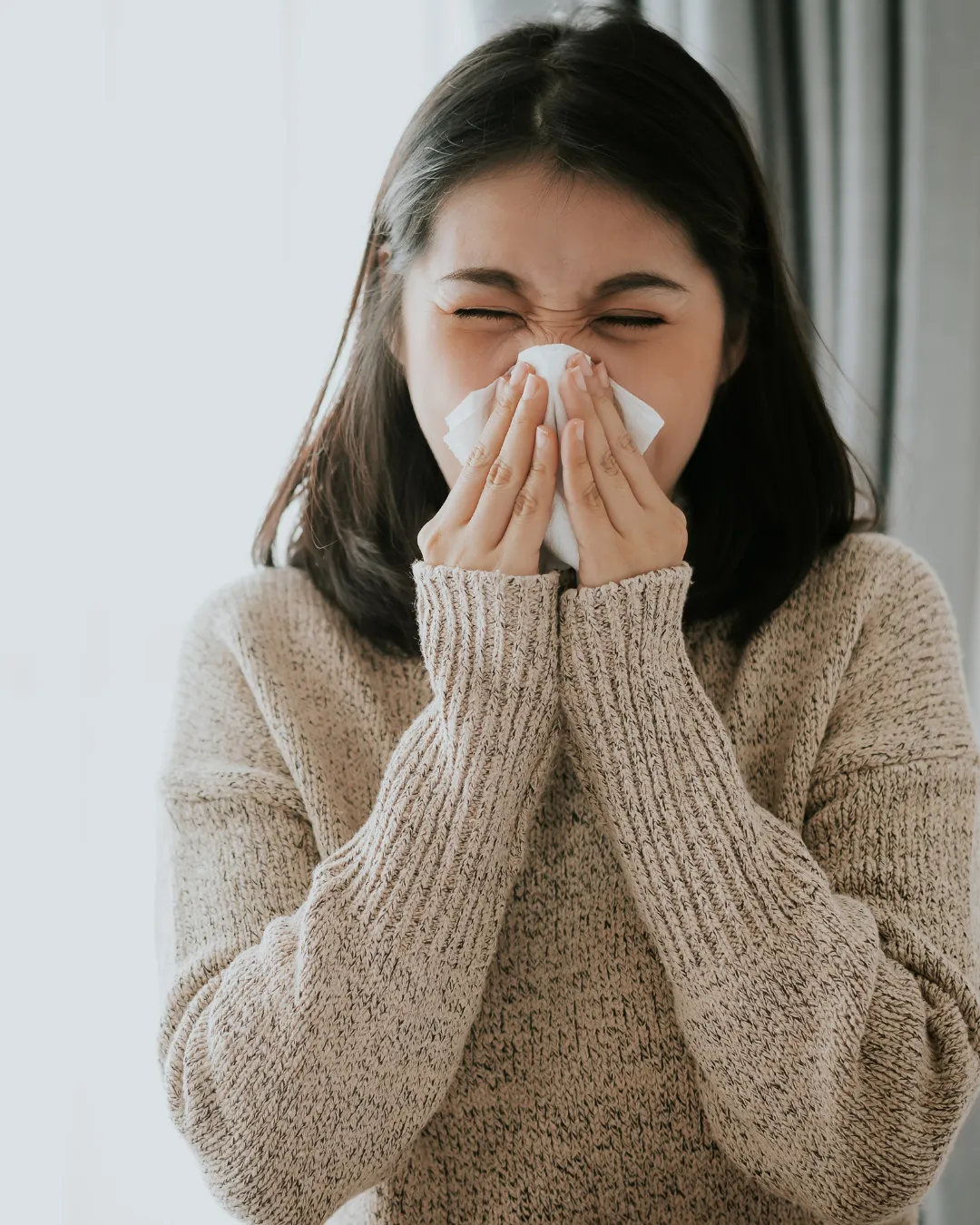
Good news: it doesn’t float around in the air like a cartoon germ waiting to attack random strangers.
Bad news: it does spread through respiratory droplets—think saliva, coughing, kissing, shouting very close to someone’s face, or living together in close quarters.
So, imagine the crowds during Umrah: thousands of people in the same spaces, praying, speaking, breathing the same air. It’s a perfect environment for bacteria to pass from person to person.
Which Strains Should Umrah Travellers Know?
If you’ve ever wondered why vaccination requirements can seem so specific, it's because there are actually different strains of the meningococcal bacteria.
For Umrah and Hajj, travellers need protection against four strains:
A, C, W, and Y*
Thankfully, the recommended meningococcal vaccine covers all four. Easy!
*Source:
Health Hub. Meningococcal Vaccine
Meningococcal Vaccine Singapore. Meningococcal Vaccine Singapore: Same-Day Appointment (2025)
Why Umrah and Hajj Are Higher-Risk for Meningococcal Disease
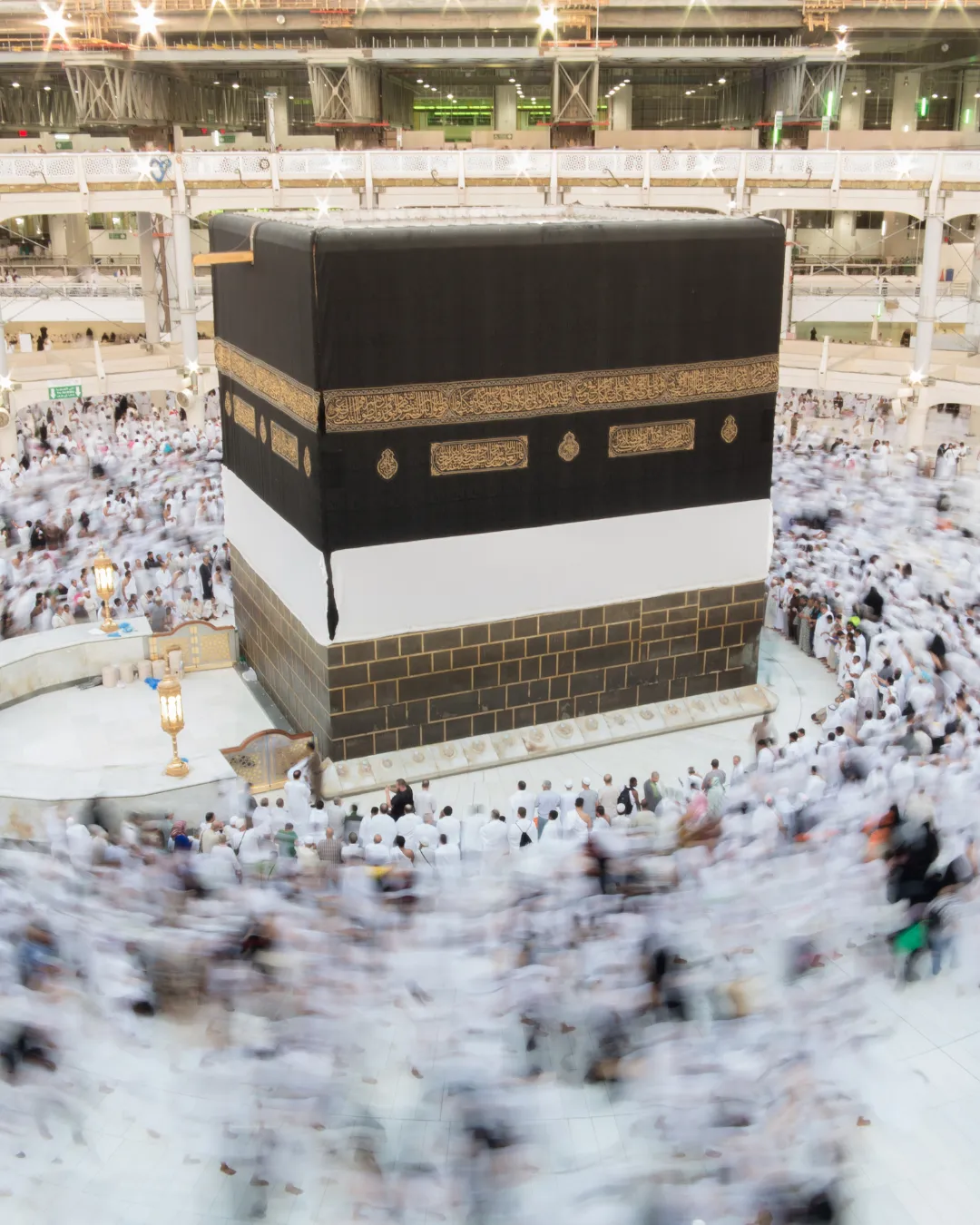
It’s simple: crowds + close contact + shared quarters = a perfect recipe for spreading germs.
Dr Shariffa explains that massive gatherings like Umrah and Hajj are particularly vulnerable because millions of people come together from around the world. Add the close proximity, long hours, shared facilities, and physical exhaustion, and the risks naturally increase.
And this isn’t just theoretical. There have been real outbreaks linked to Hajj—most notably in 1987 and 2000/2001. Even recently, as of March 2025, Saudi Arabia reported 11 confirmed cases of IMD.*
A gentle reminder: you’re not just protecting yourself. Studies show that many returning pilgrims unknowingly carry the bacteria home, putting family members—especially unvaccinated ones—at risk.
*Source:
Cabellos C, Pelegrín I, Benavent E, et al. Invasive Meningococcal Disease: What We Should Know, Before It Comes Back. Open Forum Infect Dis. 2019;6(3):ofz059. Published 2019 Feb 7. doi:10.1093/ofid/ofz059
Badahdah AM, Alghabban F, Falemban W, et al. Meningococcal Vaccine for Hajj Pilgrims: Compliance, Predictors, and Barriers - PubMed (nih.gov). doi:10.3390/tropicalmed4040127.
Who Is Most at Risk?
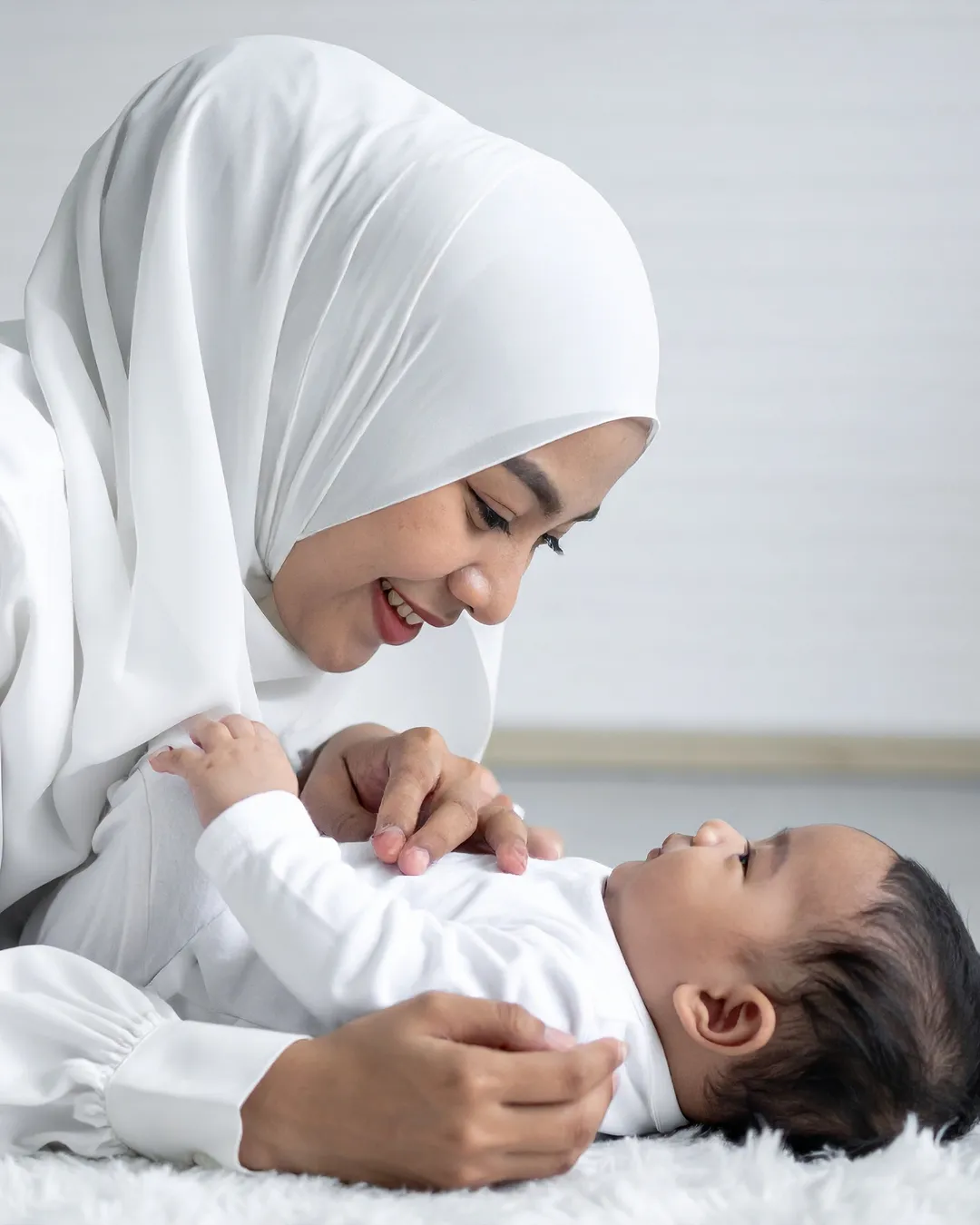
Meningococcal disease doesn’t discriminate—anyone can get infected. But certain groups face a higher risk of complications:
- Babies and young children
- Elderly travellers
- Pregnant women
- Anyone with a weakened immune system
Their immune systems may not react as quickly or strongly, making it harder to fight off infections.*
This is also why families should think about everyone’s health, not just the person travelling.*
*Source:
US Centers for Disease Control and Prevention. Risk Factors for Meningococcal Disease | Meningococcal | CDC
S. Yezli, A. Wilder-Smith, A.A. Bin Saeed et al. Carriage of Neisseria meningitidis in the Hajj and Umrah mass gatherings, Int J Infect Dis, 47 (2016), pp. 65-70. https://doi.org/10.1016/j.jinf.2020.07.025
Beyond Vaccination: Hygiene Practices That Actually Work
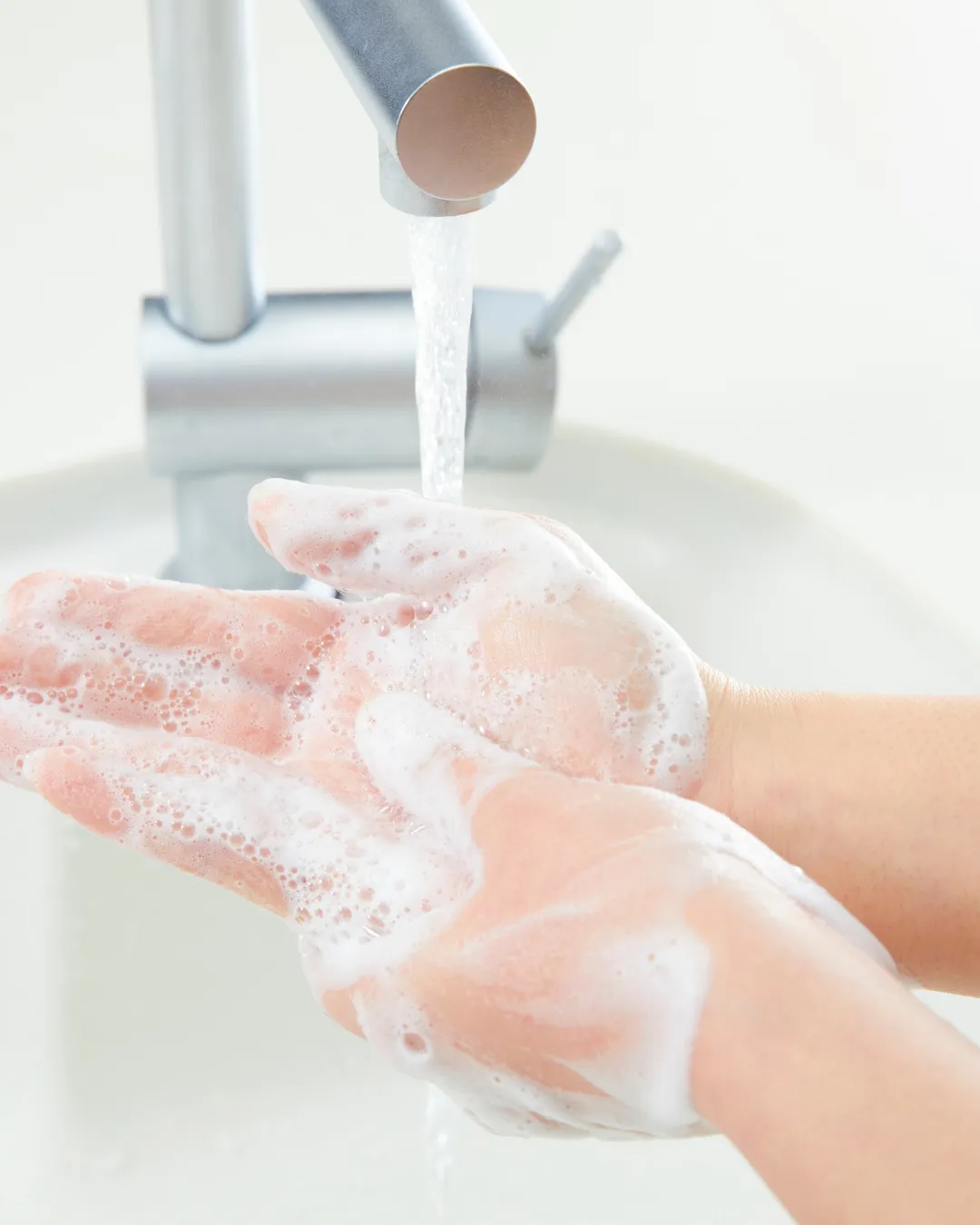
Even with vaccination, basic hygiene is your everyday superpower.
Here’s what Dr Shariffa recommends:
- Wash or sanitise your hands before eating or preparing food
- Use soap after using the toilet (yes, even when rushing!)
- Cover your coughs and sneezes with a tissue or your elbow
- Avoid close contact with anyone who looks visibly unwell
- Wear a mask in crowded spaces—especially if you feel unwell
- Don’t share personal items (towels, razors, hairbrushes, water bottles)*
Basically: channel your inner clean freak. You’ll thank yourself later.
*Source:
Ministry of Health of the Kingdom of Saudi Arabia. Pilgrim’s Health - General Guidelines for Personal Hygiene During Hajj
The Vaccine: Your Best Travel Companion
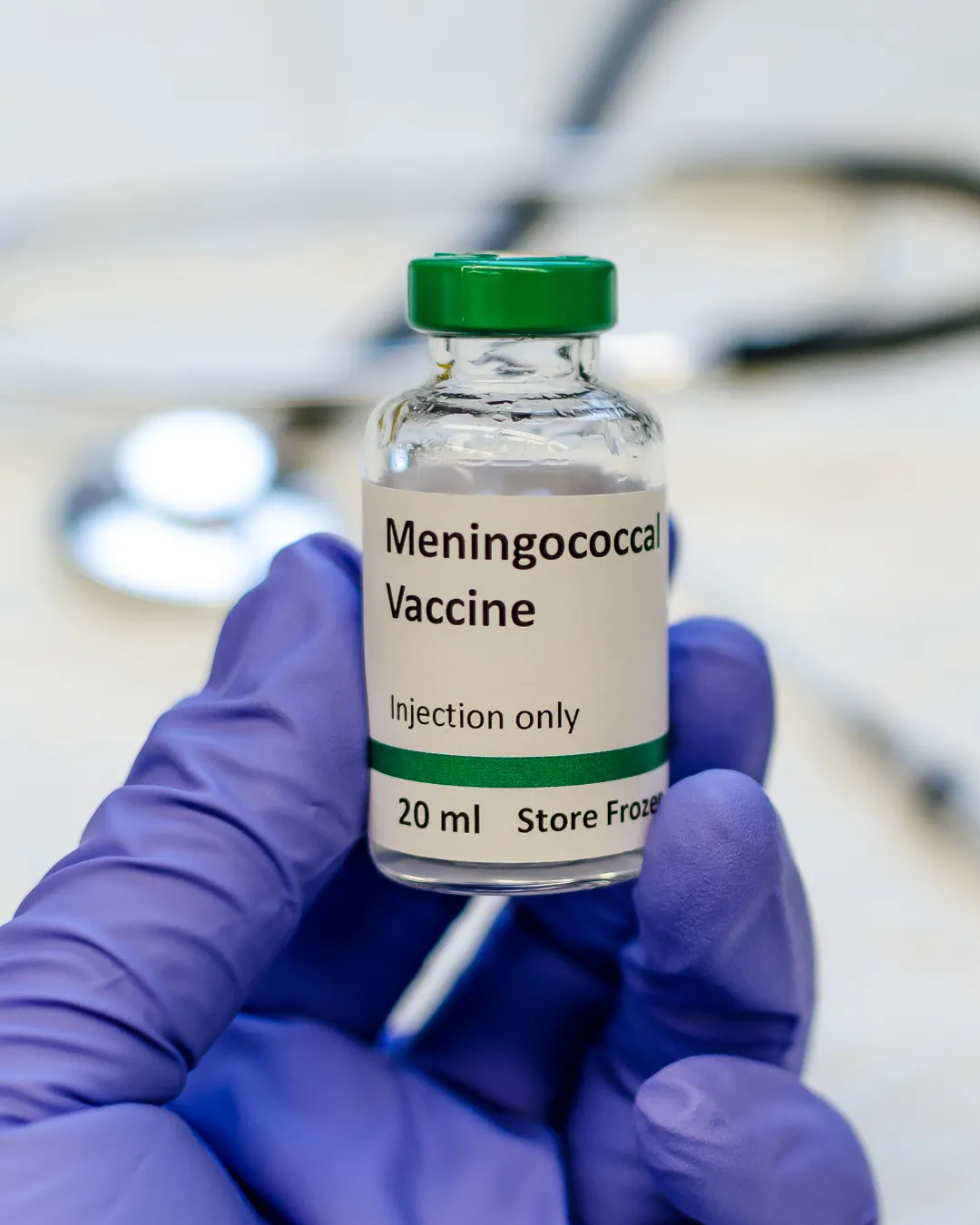
Here’s the important part: Hajj travellers must receive the meningococcal vaccine—and for good reason. Umrah travellers are highly recommended to get the vaccine.
Which Vaccine?
The one recommended covers the four key strains (A, C, W, Y).
When to Get It
At least 10 days before arrival in Saudi Arabia.
Got it more than 5 years ago? Time for a booster.*
How Many Doses?
Just one dose for adults. Easy, painless, done.*
Side Effects?
Mostly mild stuff like soreness, swelling or a low fever.*
If you’re feeling unwell on the day, wait until you recover. And if you’ve ever had an allergic reaction to the vaccine, talk to your doctor first.*
“Anyone who feels unwell should wait until they feel better before taking the vaccine,
and those who have a known allergy to any ingredients in the vaccine (including a
prior reaction to a previous dose) should not take the vaccine,” says Dr. Shariffa.
*Source:
Ministry of Health of the Kingdom of Saudi Arabia. Hajj Vaccinations 1446 - Hajj Vaccinations FAQs
Meningococcal Vaccine Singapore. Meningococcal Vaccine Singapore: Same-Day Appointment (2025)
Institute for Vaccine Safety. Meningococcal: Advisory Committee on Immunization Practices (ACIP) Recommendations.
WebMD. Meningococcal Vaccine for Adults.
Travelling With Kids or Elderly Family Members? Here’s What to Know
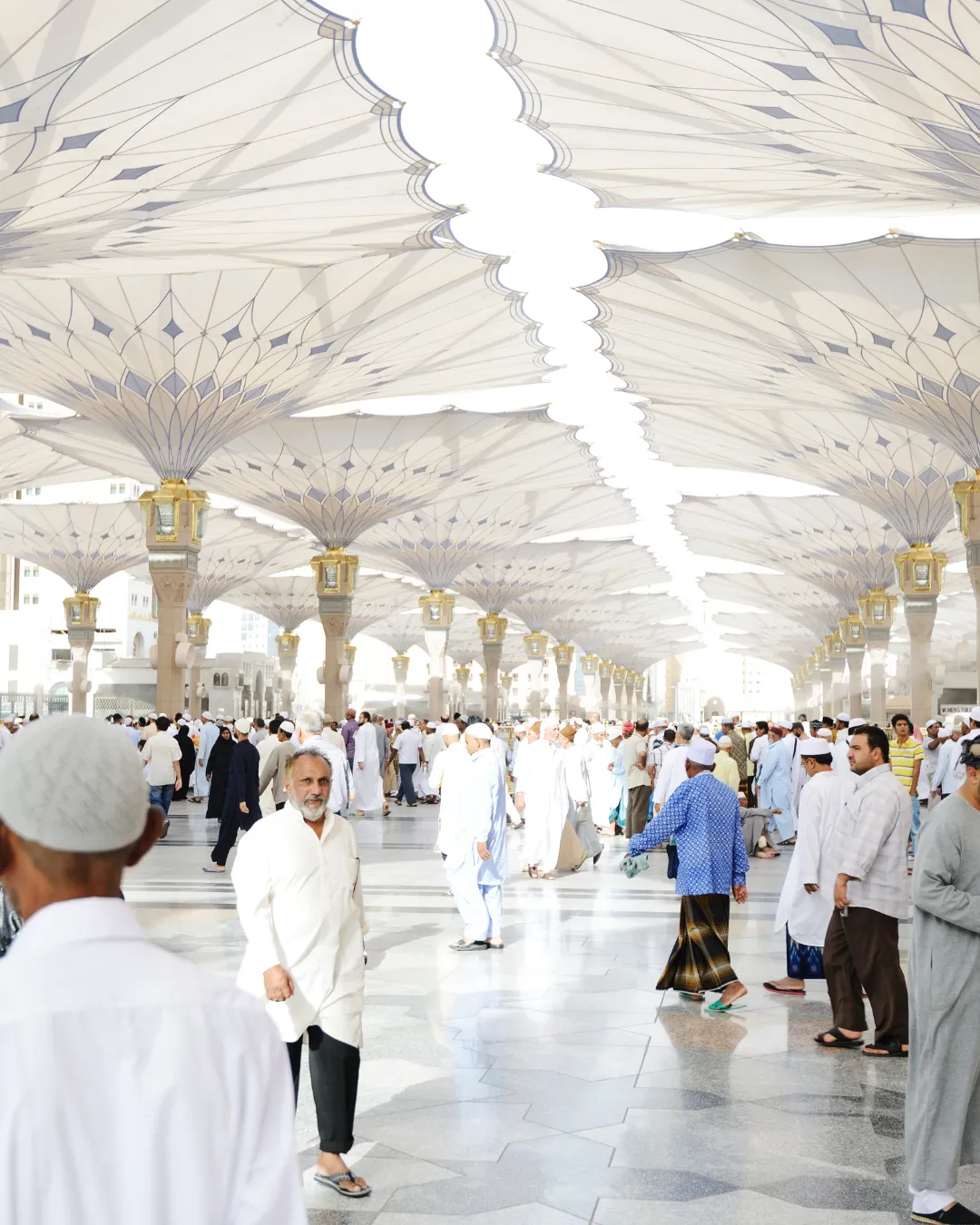
Family Umrah trips are beautiful, heartwarming experiences—but they also require more planning.
Dr Shariffa suggests:
✔️ Do Your Check-Ups Early
Get everyone seen by a doctor—especially if anyone has chronic conditions.
✔️ Pack Smart
Bring medications, mobility aids (like wheelchairs), adult diapers, or anything that makes travel easier.
✔️ Plan For Rest
Umrah can be physically demanding.
Don’t be shy to take breaks, seek shade, or find air-conditioned spaces.
✔️ Hydrate Like It’s Your Job
Heat fatigue is real. Drink regularly—even if you don’t feel thirsty.*
*Source:
Voye. Family Hajj Guide: Tips for Traveling with Kids and Seniors
When Should You Start Health Prep?
According to Dr Shariffa, there’s no one-size-fits-all timeline. But you should aim to be in good health before departure, especially since Umrah involves long periods of walking and standing.
If you have chronic conditions like heart disease, diabetes or asthma, start preparing months in advance. Your doctor may need to adjust medications or give you a long-term health plan.*
And remember: visa and vaccine timelines matter!
Book your vaccine appointment at least one month before flying to avoid last-minute panics.
*Source:
Islamic Info Center. Health Tips for Pilgrims | Staying Fit and Healthy During Umrah 2025 - Islamic Info Center
Best Umrah Packages. How to Physically Prepare for Umrah? - Best Umrah Packages
What If You Get Vaccinated Too Close to Your Travel Date?
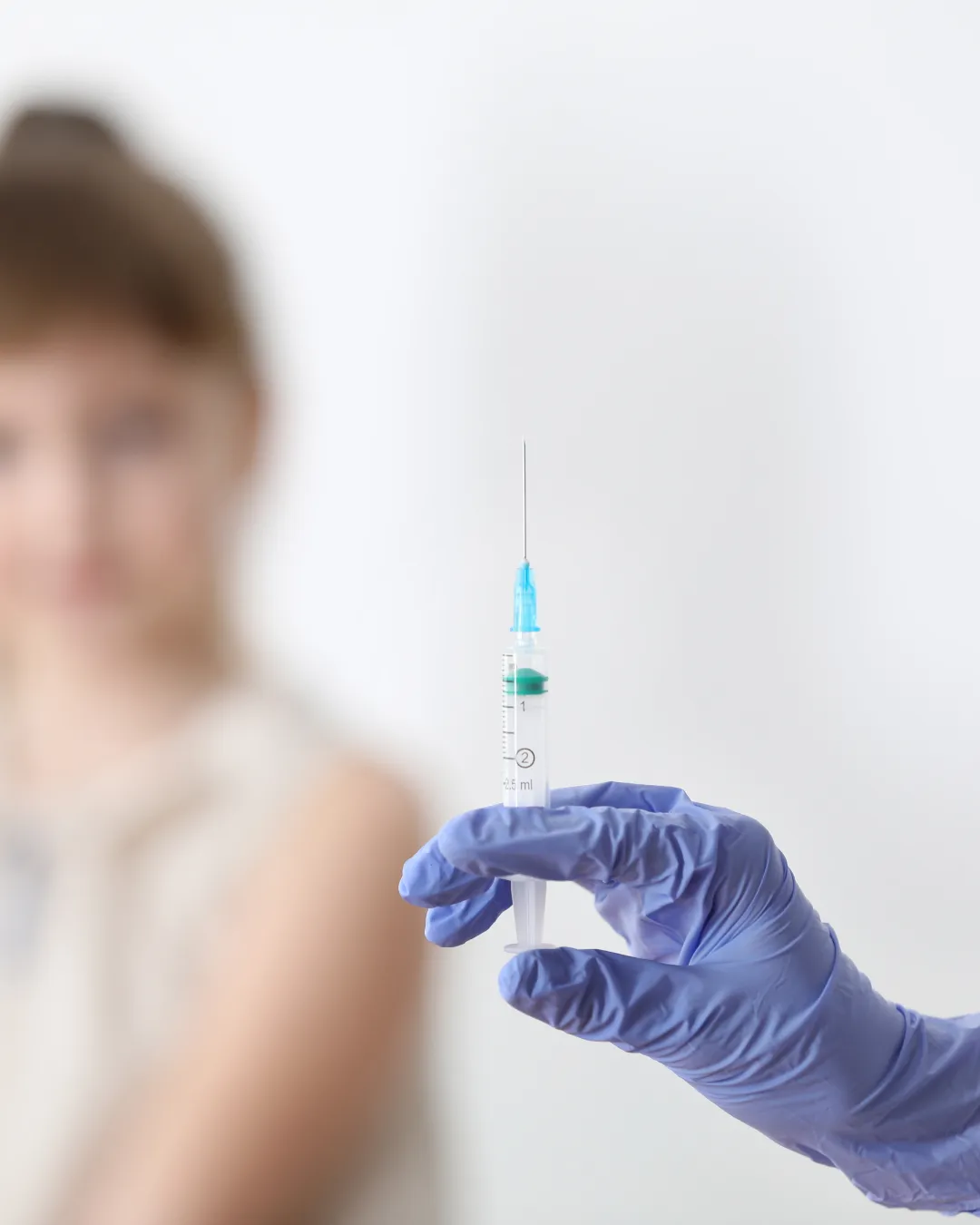
Here’s the thing: Saudi Arabia requires the vaccine to be taken at least 10 days before arrival.* If you don’t meet this requirement, you might have problems entering the country.
Bottom line: don’t leave this until the last minute. It’s too important.
*Source:
Visa Saudi Arabia. Umrah and pilgrimage: Compulsory vaccination from February 2025!
Coordinating Vaccines, Visas & Flights
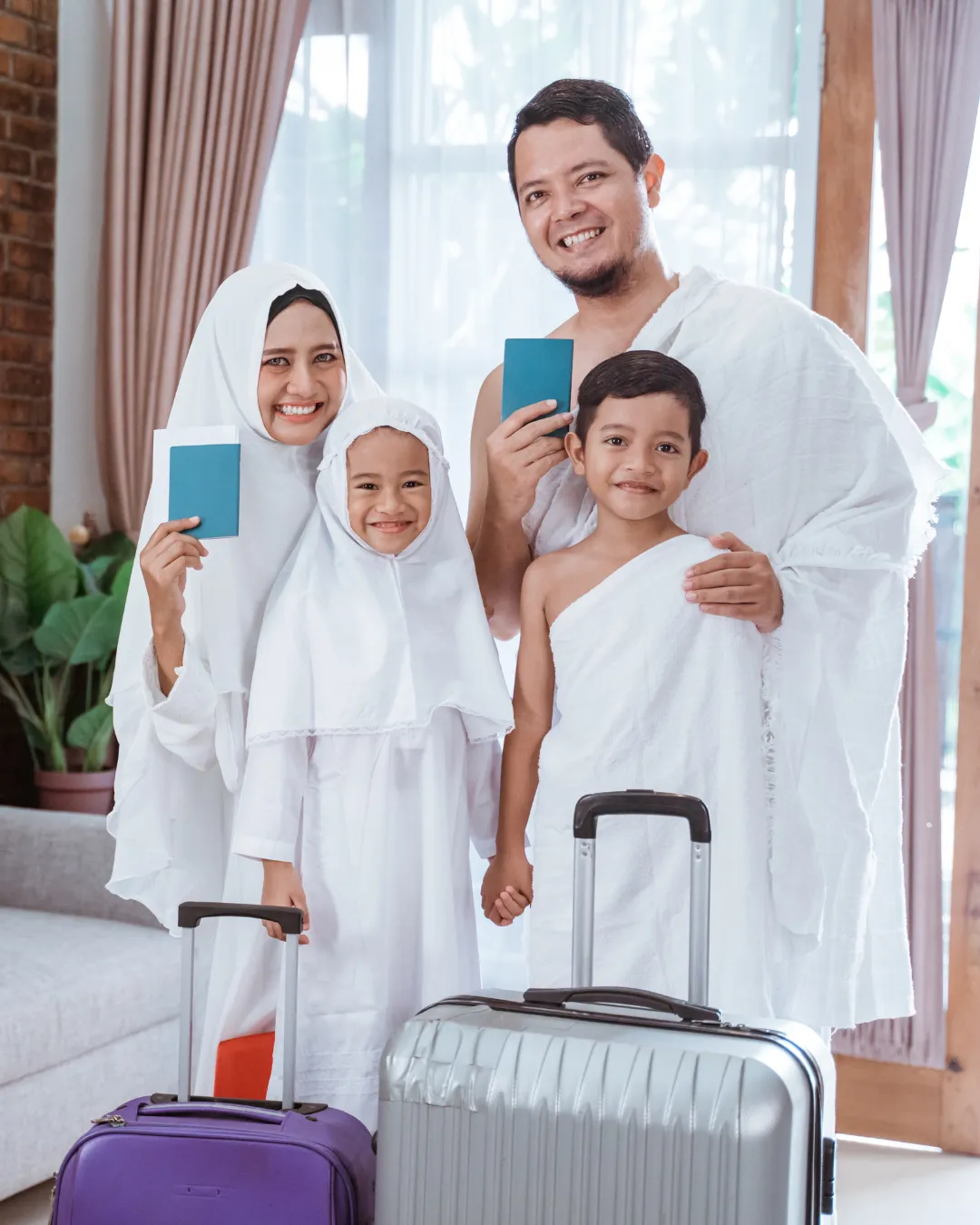
We get it—planning Umrah involves juggling a million details. But you can keep things simple:
- Check official health requirements early
- Confirm timelines with your travel agency
- Book your vaccination appointment a month in advance
- Keep all proof of vaccination accessible (digital + printed)
Your future self will thank you.
Myths & Misconceptions: Let’s Bust Them
There are plenty of misunderstandings about meningococcal disease and travel health. Here are the biggest ones:
❌ “I’m healthy, I don’t need the vaccine.”
Nope. Even the healthiest people can get infected—or bring the bacteria home to loved ones.
❌ “Vaccines are unnecessary if I’m going to a Muslim-majority country.”*
Health risks don’t depend on religion or location—they depend on environmental conditions, crowding, and exposure levels.
❌ “I’ll just deal with sickness if it happens.”
By the time meningococcal symptoms appear, the disease can progress rapidly… sometimes within hours. Prevention is always the better option.
Dr Shariffa reminds us that shifting to a proactive health mindset takes time, but the world is already moving in that direction. Regular screenings, recommended vaccinations and awareness go a long way in making travel safer and more fulfilling.
*Source:
Badahdah AM, Alghabban F, Falemban W, et al. Meningococcal Vaccine for Hajj Pilgrims: Compliance, Predictors, and Barriers. Trop Med Infect Dis. 2019;4(4):127. Published 2019 Oct 15. doi:10.3390/tropicalmed4040127
Your Umrah Journey Deserves the Best Start

Preparing for Umrah isn’t just about packing your ihram, booking a good hotel near the Haram or choosing the most comfortable walking shoes. It’s also about safeguarding the health of yourself and the people you love.
Meningococcal disease is serious—but the good news is that prevention is simple and effective. With a bit of planning, one vaccine shot, and mindful hygiene habits, you can enjoy your pilgrimage with peace of mind.
This is your time to focus on spirituality, gratitude and deep reflection—not worrying about avoidable illnesses.
So go ahead—prepare early, protect yourself, and make this beautiful journey one you’ll treasure forever.
Safe travels, and may your Umrah be accepted.
This article is brought to you by Sanofi.
