Get the latest stories, guides, recommendations, and more.
We recommend reading our Terms of Service and Privacy Notice.


key generated for 2FA. Please verify through QR scan
J6WJ+HP8, Central, Turkman Gate, Chandni Chowk, New Delhi, Delhi, 110006, India
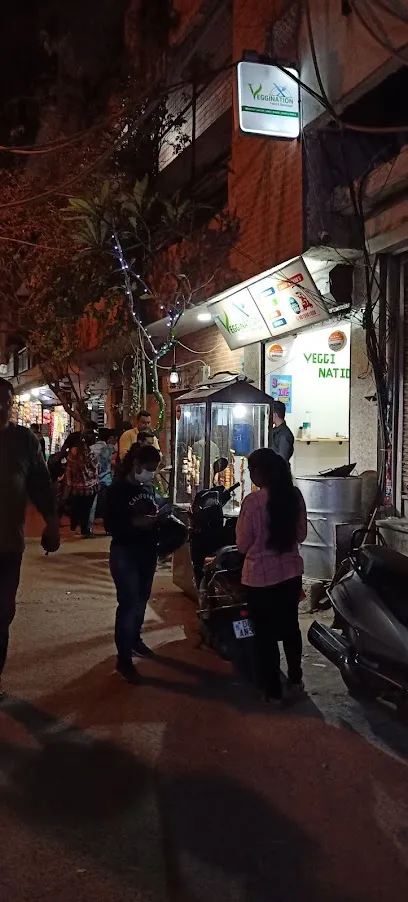
Razia Sultan is one of the most important figure in the history of India. She was the fifth Mamluk Sultan, one of the few female sovereigns ever in the entire history of Islamic civilizations across the world and only female Muslim ruler of the sultanate of Delhi. An excellent administrator and a brave warrior who ascended the throne when the society was extremely patriarchal. The tomb is located in Bulbuli khana near Turkman gate . One can gain access to the tomb location by simply asking the locals or reading the sign boards on the way. The tomb complex is now clean as it has been converted to a mosque. Please take off your shoes before you enter the tomb complex.
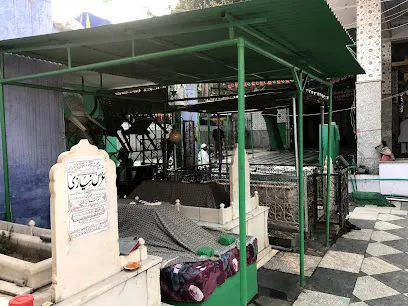
Reaching Razia Sultan's tomb can be a treasure hunt, especially for first-timers. Google Maps might not be your best guide, but don't hesitate to ask friendly locals for directions. They'll be happy to point you towards this hidden gem. Seeing the condition of the tomb can be bittersweet. While its architecture whispers of a glorious past, the present state reveals the need for restoration. Razia's tomb doubles as a masjid, adding to its unique atmosphere. However, one can't help but feel a pang of sadness for the condition of the resting place of Delhi's only female sovereign. Despite the challenges, visiting Razia Sultan's tomb is a powerful experience. Paying respects to this remarkable woman, who defied gender norms and carved her own path in history, is truly inspirational. May she find eternal peace in the highest gardens of Paradise. Remember, the caretaker might close the gate at any time, so plan your visit accordingly. It's best to call ahead or arrive early to ensure you don't miss out on this piece of Delhi's rich heritage.
Nearest metro station is Chawri Bazar. Raziyyat-Ud-Dunya Wa Ud-Din (Born in 1205 and Died on 15 October 1240, r. 1236–1240), popularly known as Razia Sultana, was a ruler of Delhi Sultanate. She was the first female Muslim ruler of the subcontinent, and the only female Muslim ruler of Delhi. The grave of Razia is located at Mohalla Bulbuli Khana near Turkman Gate in Old Delhi. The 14th century traveler Ibn Batuta mentions that Razia's tomb had become a pilgrimage centre: A dome had been built over it, and people sought blessings from it. Razia's grave is said to have been built by her successor and half-brother Bahram. Another grave, said to be of her sister Shazia, is located beside her grave. Razia was a devotee of the Sufi saint Shah Turkman Bayabani, and the place where she is buried is said to be his hospice (khanqah). Today, the site is largely neglected the Archaeological Survey of India performs annual maintenance to it, but has been unable to beautify it further because it is surrounded by illegal construction, and is approachable only through a narrow, congested lane. In the late 20th century, the local residents constructed a mosque near it. A ruined building in Kaithal is purported to be the site of Razia's original grave.