



When the familiar smell of burning wood hits your nostrils and iconic landmarks like Marina Bay Sands start disappearing behind a grey curtain, you know haze season has arrived in Singapore.
Whether you’re planning weekend activities with family, heading out for work, or staying indoors with your little ones, dealing with poor air quality can feel overwhelming.
Don't worry—we’ve compiled a practical FAQ guide so you can navigate the haze safely and comfortably!
1. What exactly causes the haze in Singapore?
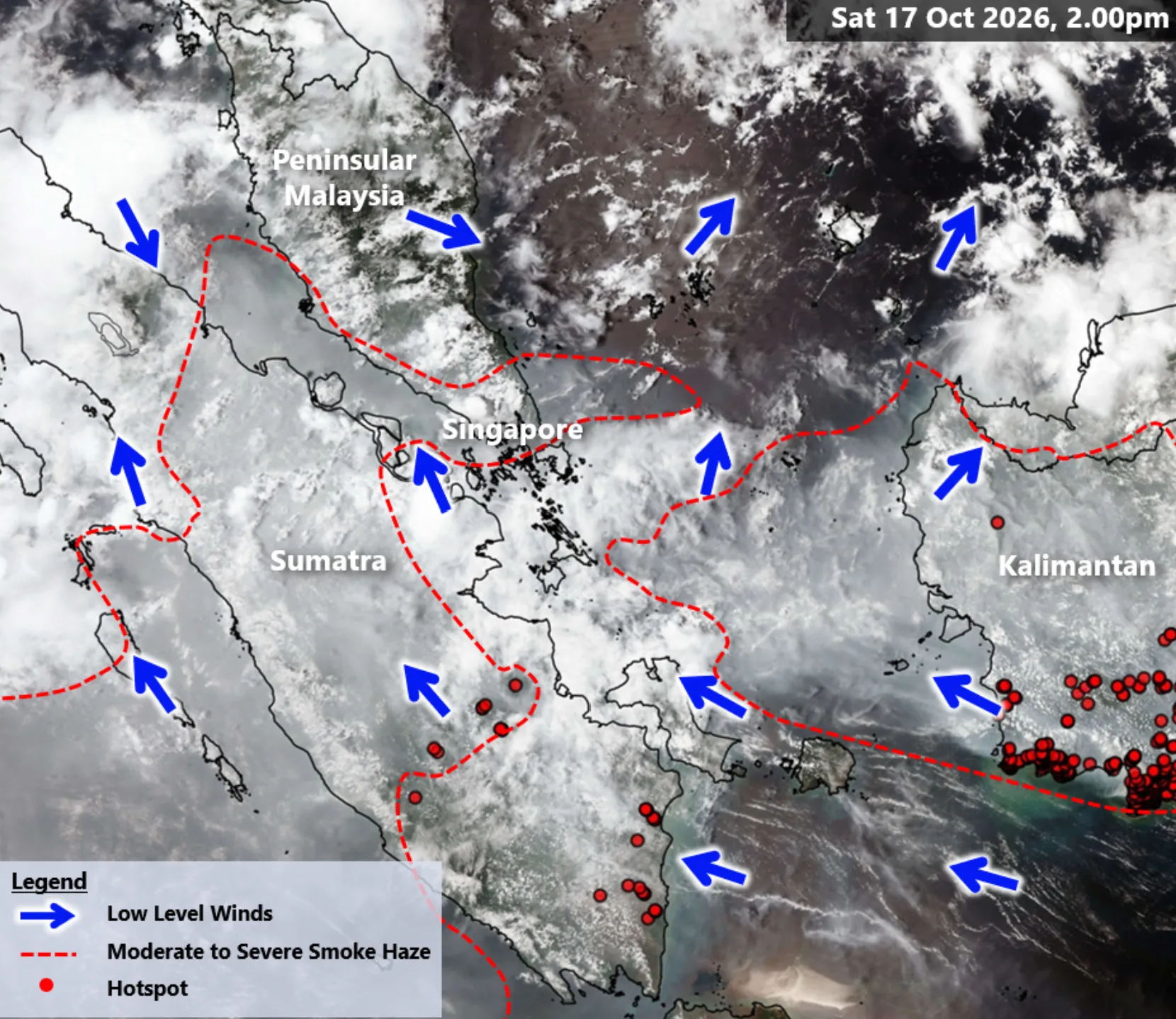
Land and forest fires in neighbouring regions, particularly during dry weather spells, primarily cause the transboundary haze affecting Singapore.
Southern winds carry fine particulate matter across the seas, casting a smoggy veil over the island.
2. What is the difference between PSI and 1-hr PM2.5 readings?
Understanding air quality indices helps you plan your day effectively:
- 24-hr PSI (Pollutant Standards Index): Reflects average air quality over the past 24 hours. Use this for long-term daily planning (e.g., deciding whether to schedule outdoor events tomorrow).
- 1-hr PM2.5 Concentration: Measures fine particle concentration over the past hour. Use this to decide whether to step out right now. Fine PM2.5 particles are small enough to penetrate deep into the lungs and enter the bloodstream.
3. How does the haze affect our health in the short and long term?
Haze isn't just unpleasant to smell—it contains fine particulate matter ($PM_{2.5}$), dangerous gases like carbon monoxide and sulfur dioxide, and microscopic chemical compounds. Here is how it impacts our bodies:
Immediate / Short-Term Effects
Respiratory Tract: Fine particles irritate the mucous membranes of your nasal passages and airways, leading to a dry throat, persistent coughing, sneezing, allergic rhinitis, and phlegm production.
Eyes & Nose: Smoggy air can cause burning sensations, redness, watery eyes, and allergic conjunctivitis.
Skin Irritation: Micro-particles settle on open skin, causing flare-ups, redness, itching, and dryness.
Systemic Fatigue: Lower air quality can reduce oxygen exchange efficiency, leaving you feeling sluggish, unusually tired, or experiencing tension headaches.
High-Risk Groups
Certain individuals must exercise extra caution when air quality deteriorates into the 'Unhealthy' range (PSI 101–200):
Asthma & Bronchitis Patients: Fine particles can trigger acute respiratory distress or severe asthma attacks.
Cardiovascular Disease Patients: Inhaled PM2.5 can pass into the bloodstream, triggering systemic inflammation, raising blood pressure, and increasing stress on the heart.
Children & The Elderly: Children breathe more air per kilogram of body weight than adults, while the elderly often have diminished lung capacity or underlying conditions.
Pregnant Women: High pollutant levels are linked to systemic stress that can impact maternal and fetal well-being.
4. Do I need an N95 mask, or are surgical masks enough?
- Surgical & Cloth Masks: These capture larger droplets but do not form a tight seal around your face, meaning fine PM2.5 haze particles can still easily pass through.
- N95 Respirators: N95 masks filter out at least 95% of airborne particles (including PM2.5) when fitted correctly.
Tip: Healthy adults don't necessarily need an N95 mask for short transitions (like walking between the MRT and your office). Save the N95 masks for extended outdoor exposure during high PSI levels.
Note that N95 masks increase breathing resistance, so elderly individuals, pregnant women, and anyone with severe lung/heart conditions should consult a doctor before extended wear.
5. What practical steps can I take at home to keep air clean?
- Keep windows and doors closed when PM2.5 levels are elevated.
- Run an air purifier equipped with a high-efficiency HEPA filter to capture fine particulate matter.
- Drink plenty of water throughout the day to keep your throat moist and flush out toxins.
- Wipe down hard surfaces indoors with a damp cloth to remove fine dust buildup.
6. How should I adjust my skincare routine during haze season?
Haze particles mixed with urban pollution cling to facial oils, causing clogged pores, sensitivity, and dullness. Adjust your routine with these simple steps:
- Double Cleanse at Night: Use an oil-based cleanser first to break down grime and sunscreen, followed by a gentle water-based foam or gel cleanser.
- Focus on Barrier Repair: Switch to hydrating formulas with soothing ingredients like ceramides, hyaluronic acid, or Centella Asiatica (Cica) to reinforce your skin barrier.
- Never Skip Sunscreen: Smog doesn't block UV rays! Apply a lightweight, non-comedogenic sunscreen daily.
- Antioxidant Protection: Incorporate Vitamin C or Niacinamide serums to neutralize free radicals generated by airborne pollutants.
7. What are some fun indoor activity ideas during haze days?
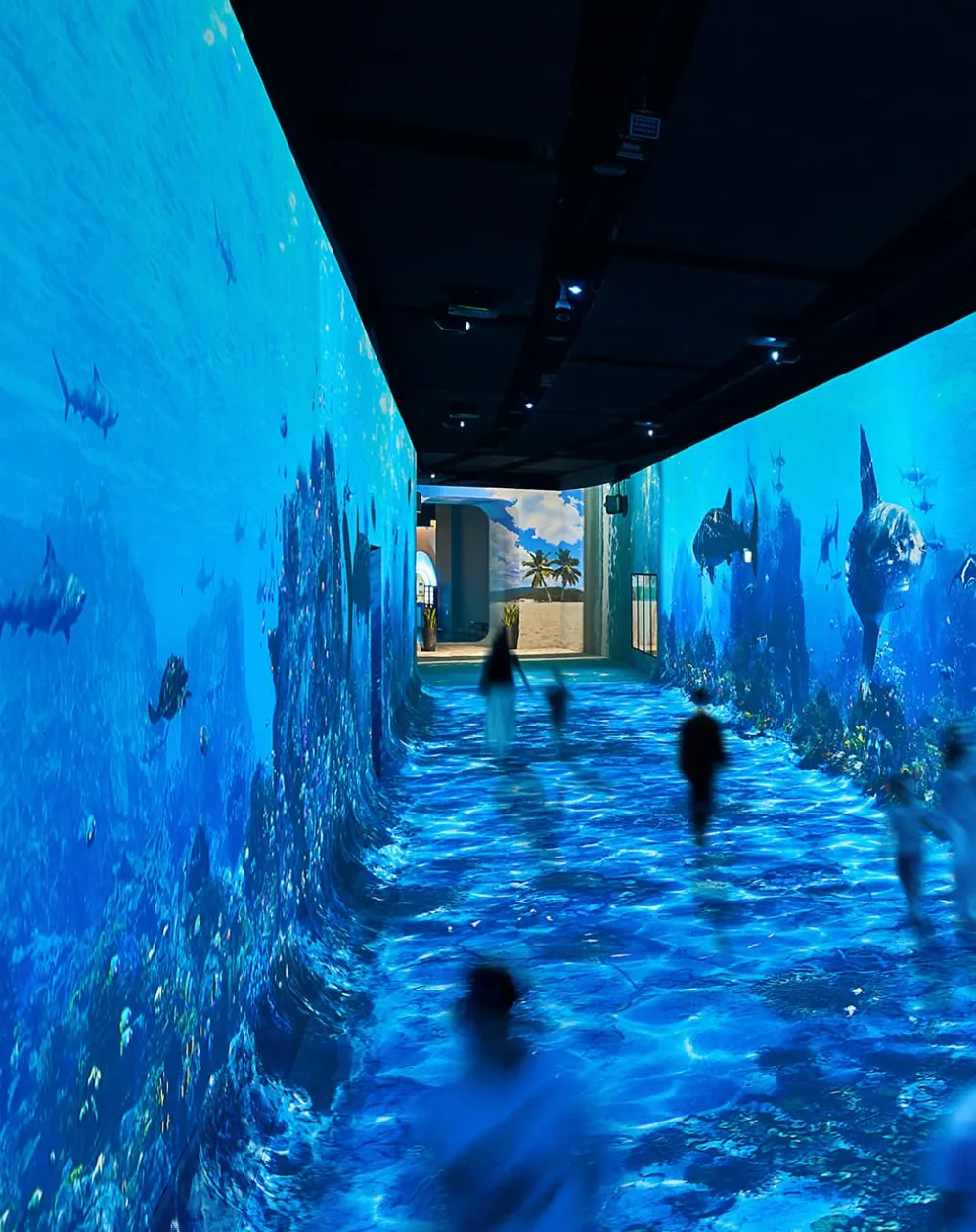
Staying indoors doesn't mean having a boring weekend! Keep active and entertained safely:
- Indoor Halal Food Havens: Explore air-conditioned shopping malls with certified Halal dining options or indoor food spaces.
- Air-Conditioned Play & Learning: Visit museums (like the National Museum of Singapore or Science Centre Singapore), indoor playgrounds, or indoor climbing gyms.
- Home Movie Night: Stock up on your favourite halal snacks, dim the lights, and host a cosy movie marathon with family!
Navigating haze season in Singapore is all about staying informed and taking sensible precautions.
Bookmark official monitoring channels like the NEA Haze microsite (haze.gov.sg) to track real-time air quality updates before stepping out!
