


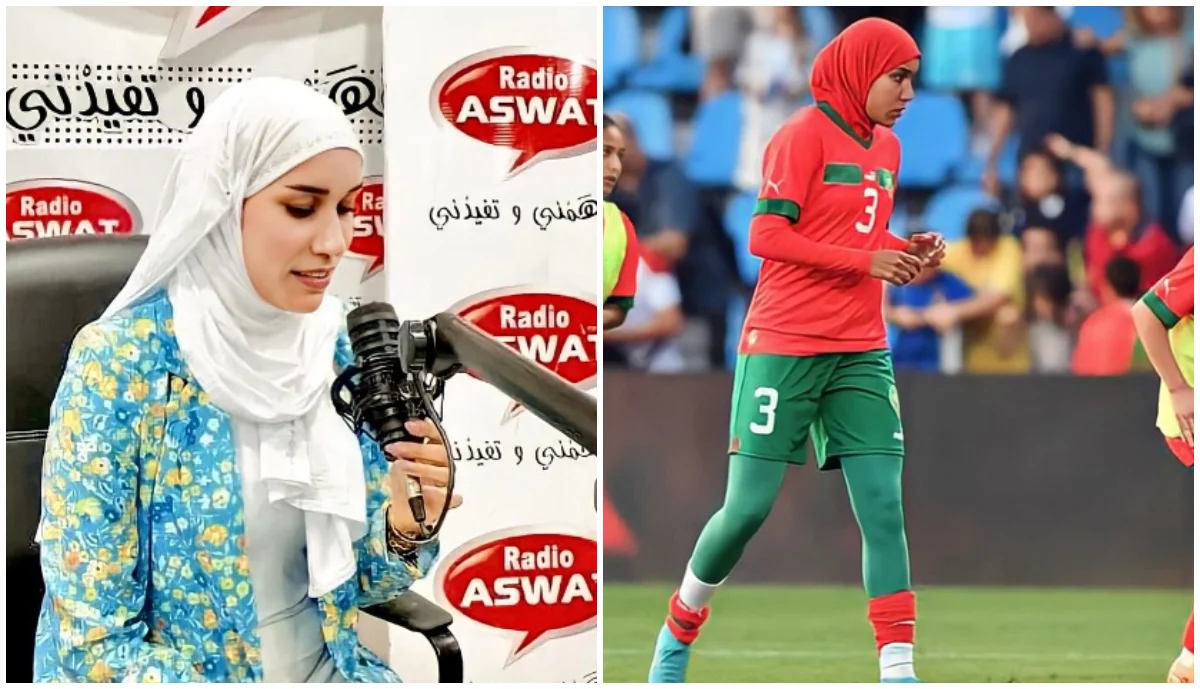
Nouhaila Benzina, a 25-year-old athlete, is set to make history as the first hijab-wearing player at the upcoming Women's World Cup. As a member of the Atlas Lionesses, the Morocco National Team, Benzina will be the sole hijabi athlete among the 736 participating players in the highly anticipated 2023 tournament. This milestone comes at a crucial time when debates surrounding religious attire in sports continue to make headlines.
A Remarkable Achievement for Inclusivity:
Nouhaila Benzina's participation in the Women's World Cup is not only a personal triumph but also a significant step forward for representation and diversity in women's football. Her presence on the field challenges stereotypes and serves as an inspiration to athletes around the world, particularly those who may have faced barriers due to their religious beliefs.
Hopes and Aspirations of the Atlas Lionesses:
Head Coach Reynald Pedros recognises the historic achievement of the Atlas Lionesses and has expressed his optimism for the team's performance in the tournament. As the only representatives from the Middle East and North Africa (MENA) region, the Atlas Lionesses carry the hopes of millions of fans.
Controversies and Progress:
The news of Nouhaila Benzina's inclusion in the Women's World Cup arrives amid ongoing debates regarding the wearing of hijabs during football matches. Less than three weeks prior, France's top administrative court upheld the French Football Federation's (FFF) ban on players wearing hijabs, deeming the regulation "suitable and appropriate." This decision has sparked discussions surrounding religious freedom and cultural diversity within sports.
A History of Ban and Change:
In 2007, FIFA banned all hijabs, citing concerns about player safety. This controversial decision drew criticism from many who argued that it impeded Muslim women from participating fully in the sport. However, in a significant development, the governing body lifted the ban seven years later, recognising the importance of religious and cultural diversity within football.
With the ban lifted, we can look forward to more Muslim footballers in and out of the field!
Looking Ahead:
The upcoming Women's World Cup match between Nouhaila Benzina's Atlas Lionesses and Germany on July 24th at 4.00 a.m. GMT will mark a historic moment for inclusion and diversity in women's football. The significance of this event extends beyond the competition itself, as it represents a step towards embracing athletes from various backgrounds and dismantling barriers within the sports world.
Nouhaila Benzina's participation as the first hijab-wearing player at the Women's World Cup is a testament to the power of perseverance, inclusivity, and progress. As she takes to the field, she will undoubtedly inspire others and challenge stereotypes, highlighting the importance of embracing diversity in sports. The 2023 Women's World Cup will be remembered not only for the thrilling matches but also as a landmark event for greater acceptance and representation in women's football.
